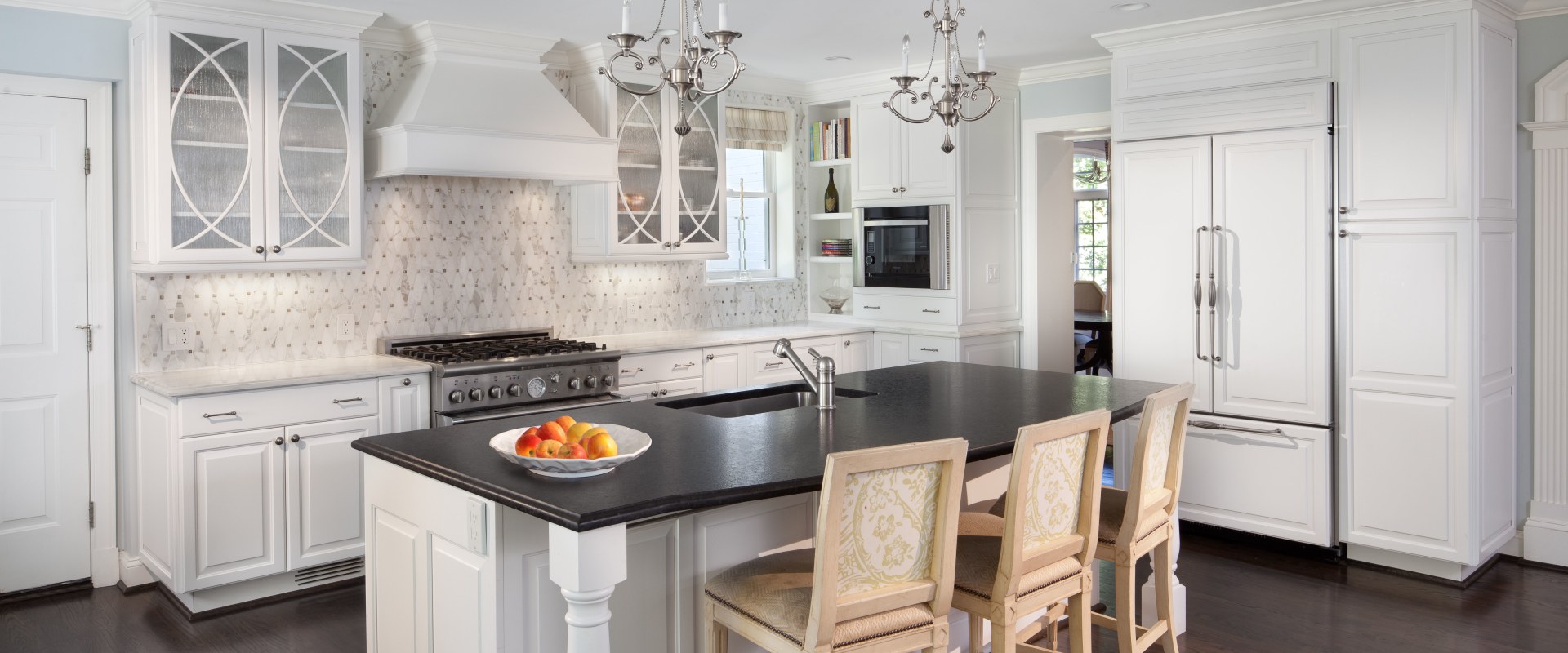
Embarking on a kitchen remodel is an exciting yet daunting journey for many homeowners. Understanding the timeline associated with such a project is crucial, as it can significantly impact your daily life and routines. Whether you are dreaming of a modern culinary space or simply looking to update your existing kitchen, knowing how long the process typically takes can help you plan effectively and set realistic expectations. The duration of a kitchen renovation can vary widely based on several factors, including the scope of the project, the size of your kitchen, and the complexity of the design changes you wish to implement. For instance, a straightforward cosmetic update may take just a few weeks, while a complete overhaul involving structural changes could extend the timeline to several months.
This variability makes it essential for homeowners to grasp the elements that influence the overall duration of their remodel. In this article, we will delve into the various stages of a kitchen remodel, from initial planning and design to construction and final touches. By breaking down each phase, we aim to provide clarity on what to expect during your renovation journey. Additionally, we will explore common pitfalls that can lead to delays and offer tips on how to streamline the process. With this knowledge in hand, you can approach your kitchen remodel with confidence and enthusiasm, knowing exactly what lies ahead.
Factors Influencing Kitchen Remodel Duration
When planning a kitchen remodel, understanding the various factors that influence the duration of the project is crucial for setting realistic expectations.Several elements can significantly impact how long your remodel will take, and being aware of these can help you better prepare for the process.
- Project Scope: The overall scope of your kitchen remodel is one of the primary determinants of how long it will take. A simple cosmetic update, such as painting cabinets or replacing countertops, may only require a few days to a couple of weeks. In contrast, a full-scale remodel that includes structural changes, such as removing walls or relocating plumbing and electrical systems, can extend the timeline to several months.
- Design Complexity: The complexity of your design also plays a significant role in determining the duration of your remodel. Custom cabinetry, intricate tile work, and high-end appliances often require more time for installation and finishing touches.
If your design involves unique features or bespoke elements, be prepared for potential delays as these items may need to be specially ordered or crafted.
- Contractor Availability: The availability and scheduling of your contractor can greatly affect the timeline of your kitchen remodel. If you are working with a highly sought-after contractor, you may need to wait for their schedule to open up before they can begin your project. Additionally, unforeseen circumstances such as labor shortages or supply chain issues can lead to delays in project completion.
- Permits and Inspections: Depending on the extent of your remodel, you may need to obtain permits from local authorities. The time it takes to secure these permits can vary widely based on your location and the specific requirements of your project.
Furthermore, inspections may be necessary at various stages of the remodel, which can add additional time to the overall process.
- Homeowner Decisions: Lastly, the decisions made by homeowners throughout the remodeling process can impact timelines. Delays in selecting materials, finishes, or design elements can prolong the project. It’s essential to have a clear vision and make decisions promptly to keep things moving smoothly.
Typical Kitchen Remodel Timelines
When planning a kitchen remodel, understanding the typical timelines can help set realistic expectations.The duration of a kitchen renovation can vary significantly based on the scope of the project, the size of the kitchen, and the complexity of the design. Below is a breakdown of average timelines for different types of kitchen remodels.
Minor Updates
For homeowners looking to make minor updates, such as replacing countertops, painting cabinets, or installing new fixtures, the process can be relatively quick. These types of renovations typically take about 1 to 2 weeks. This timeframe allows for the selection and installation of materials without extensive structural changes.Moderate Renovations
If your project involves more significant changes, like updating appliances or reconfiguring the layout without major structural work, you can expect a timeline of approximately 6 to 8 weeks.This includes time for demolition, installation of new cabinetry, and finishing touches. During this period, it’s essential to coordinate with contractors and suppliers to ensure timely delivery of materials.
Major Renovations
For extensive remodels that involve removing walls, changing plumbing or electrical systems, or expanding the kitchen space, the timeline can extend to 10 to 12 weeks or even longer. These projects require careful planning and execution, as they often involve multiple tradespeople working simultaneously. The complexity of these renovations means that delays can occur due to unforeseen issues such as structural repairs or permit approvals.Factors Influencing Timeline
- Design Complexity: More intricate designs require additional time for planning and execution.
- Material Availability: Delays in sourcing materials can push back timelines significantly.
- Contractor Scheduling: The availability and efficiency of your contractor can greatly affect how quickly your remodel progresses.
- Permits and Inspections: Depending on local regulations, obtaining necessary permits can add time to your project.
It’s crucial to communicate openly with your contractor about your timeline expectations and any potential challenges that may arise during the kitchen remodel.
Stages of a Kitchen Remodel: A Detailed Breakdown
Embarking on a kitchen remodel is an exciting journey, but it’s essential to understand the various stages involved to manage your expectations and timeline effectively. Each phase of the remodeling process plays a crucial role in transforming your kitchen into the space you envision.1.Planning and Design
The first stage of any kitchen remodel is planning and design. This phase involves assessing your current kitchen layout, identifying your needs, and setting a budget. During this time, you should:- Gather inspiration from magazines, websites, and showrooms.
- Consult with a designer or contractor to discuss your ideas and get professional input.
- Create a detailed plan that includes layout, materials, and appliances.
- Finalize your budget, accounting for unexpected costs.
2.Demolition
Once the design is finalized, the next step is demolition.This phase involves removing old cabinets, countertops, appliances, and flooring. It’s often one of the messiest parts of the remodel but is crucial for making way for new installations. Key points to consider during demolition include:
- Ensuring that all utilities (water, gas, electricity) are safely disconnected.
- Protecting other areas of your home from dust and debris.
- Disposing of old materials responsibly.
3.Construction
The construction phase is where the real transformation begins. This stage includes:- Framing new walls or structures if necessary.
- Installing plumbing and electrical systems according to code.
- Putting in new flooring and cabinetry.
- Setting up countertops and backsplashes.
It’s essential to maintain open communication with your contractor during this time to address any issues that may arise.
4.Finishing Touches
The final stage involves adding those finishing touches that make your kitchen feel complete. This includes:- Installing lighting fixtures and hardware on cabinets.
- Painting walls or adding decorative elements.
- Finalizing appliance installation and ensuring everything is functioning correctly.
Common Delays in Kitchen Remodeling Projects
When embarking on a kitchen remodel, homeowners often underestimate the potential for delays that can arise during the renovation process. Understanding these common setbacks can help you prepare and mitigate their impact on your project timeline.1.Supply Chain Issues
One of the most frequent causes of delays in kitchen remodeling is related to supply chain disruptions.One of the most frequent causes of delays in kitchen remodeling is related to supply chain disruptions.
Whether it’s cabinets, countertops, or appliances, delays in shipping can push back your entire project. To avoid this, consider:
- Ordering materials well in advance.
- Choosing readily available products instead of custom options.
- Maintaining open communication with your contractor about lead times.
2.Unforeseen Structural Problems
During a remodel, it’s not uncommon to uncover issues such as plumbing leaks, electrical problems, or outdated wiring that need to be addressed before proceeding. These unforeseen structural problems can significantly extend the timeline of your kitchen remodel. To minimize surprises:
- Conduct a thorough inspection before starting the project.
- Budget for unexpected repairs in your remodeling plan.
- Work with experienced professionals who can identify potential issues early on.
3.Design Changes
As the remodel progresses, homeowners may decide to make changes to the original design.
While it’s natural to want to tweak your vision, these alterations can lead to delays. To keep your project on track:
- Finalize your design before work begins.
- Limit changes once construction starts.
- Communicate clearly with your design team about your preferences and needs.
4.Weather Conditions
If your remodel involves any outdoor work, inclement weather can halt progress unexpectedly. Rain, snow, or extreme temperatures can delay exterior renovations or installations. To counteract this:
- Plan outdoor work during seasons with more predictable weather.
- Have contingency plans in place for bad weather days.
5.Contractor Availability
Your contractor's schedule can also impact the timeline of your kitchen remodel.
If they are juggling multiple projects, it may take longer for them to return to your site after completing other jobs. To ensure timely progress:
- Select a contractor with a solid reputation for meeting deadlines.
- Discuss their availability and workload upfront.
- Establish a clear timeline and milestones for your project.
How to Prepare for Your Kitchen Remodel Timeline
Preparing for a kitchen remodel involves careful planning and organization to ensure a smooth process and minimize disruptions. Here are some essential tips to help you navigate your renovation timeline effectively.1.Establish a Realistic Budget
- Before diving into the remodel, determine how much you can afford to spend. Consider all aspects of the project, including materials, labor, and unexpected expenses.
- Allocate a contingency fund of about 10-20% of your total budget to cover unforeseen costs that may arise during the renovation.
2.Research and Select Contractors Wisely
- Take the time to research potential contractors thoroughly.
Look for reviews, ask for references, and check their previous work to ensure they align with your vision.
- Schedule interviews with multiple contractors to discuss your project and get estimates. This will help you gauge their expertise and communication style.
- Once you’ve selected a contractor, ensure that they provide a detailed timeline outlining each phase of the remodel. This will help you manage expectations and stay on track.
3.Plan for Temporary Living Arrangements
- Consider how long your kitchen will be out of commission and plan accordingly. If possible, set up a temporary kitchen in another area of your home or make arrangements to eat out or stay with friends or family during the renovation.
- Communicate with your contractor about the expected timeline for each phase of the project so you can prepare for any disruptions.
4.Set Clear Expectations
- Discuss your vision and priorities with your contractor upfront.
Be clear about what you want to achieve with your kitchen remodel, including design elements, functionality, and any specific features you desire.
- Understand that delays can happen due to various factors such as supply chain issues or unexpected structural problems. Keeping an open line of communication with your contractor will help you stay informed throughout the process.
5.Stay Flexible
- While it’s essential to have a plan, be prepared for changes along the way. Flexibility can help reduce stress if adjustments need to be made due to unforeseen circumstances.
- Embrace the journey of transforming your kitchen into a space that meets your needs and reflects your style.
Frequently Asked Questions About Kitchen Remodel Timelines
When planning a kitchen remodel, many homeowners have questions about how long the process will take. Understanding the timeline can help you prepare for the disruption and make informed decisions.Here are some frequently asked questions regarding the duration of kitchen remodels:
1.What is the average duration for a kitchen remodel?
The average kitchen remodel typically takes between 6 to 12 weeks, depending on the scope of the project. A moderate-sized kitchen remodel may take around 6 to 8 weeks, while larger projects that involve significant changes, such as removing walls or reconfiguring layouts, can extend to 10 to 12 weeks.2.Why do kitchen remodels take so long?
Several factors contribute to the length of a kitchen remodel. These include:- Design Complexity: More intricate designs require additional planning and execution time.
- Permits and Approvals: Depending on your location, obtaining necessary permits can delay the start of your project.
- Material Availability: Custom or specialty materials may take longer to source and deliver.
- Contractor Scheduling: The availability of skilled labor can impact your timeline, especially during peak renovation seasons.
3.Can I live in my home during a kitchen remodel?
While it is possible to live in your home during a kitchen renovation, it can be challenging. You may have limited access to your kitchen, which can disrupt daily routines.Many homeowners set up temporary cooking areas in other parts of their homes or rely on takeout during this time.
4.What can I do to speed up the remodeling process?
To help expedite your kitchen remodel, consider the following tips:- Plan Ahead: Have a clear vision and design ready before starting the project.
- Select Materials Early: Choose and order materials as soon as possible to avoid delays.
- Communicate with Your Contractor: Maintain open lines of communication to address any issues promptly.
Conclusion: Setting Realistic Expectations for Your Kitchen Remodel
In conclusion, embarking on a kitchen remodel is an exciting yet complex journey that requires careful planning and realistic expectations. Understanding the typical timelines associated with various types of kitchen renovations can significantly alleviate stress and help you prepare for the changes ahead.As discussed, a moderate-sized kitchen remodel generally takes around 6 to 8 weeks, while more extensive projects that involve structural changes or a complete reconfiguration of the space can extend this timeline to 10 to 12 weeks or even longer. It’s essential to recognize that these timeframes are averages; your specific project may vary based on several factors.Key Factors Influencing Your Kitchen Remodel Timeline:
- Scope of Work: The more extensive the remodel, the longer it will take. Simple updates like painting or replacing fixtures can be completed quickly, while major renovations involving new layouts or custom cabinetry will require more time.
- Contractor Availability: The schedule of your chosen contractor can impact your timeline.
Popular contractors may have multiple projects lined up, which could delay the start of your remodel.
- Permits and Inspections: Depending on your location and the nature of your remodel, obtaining necessary permits can add time to your project. Always factor in potential delays from inspections as well.
- Material Lead Times: The availability of materials can also affect how long your remodel takes. Custom orders or back-ordered items may lead to unexpected delays.
Remember, a well-planned remodel is worth the wait, leading to a beautiful and functional kitchen that meets your needs for years to come.