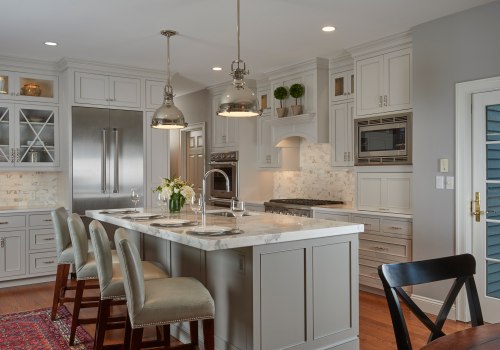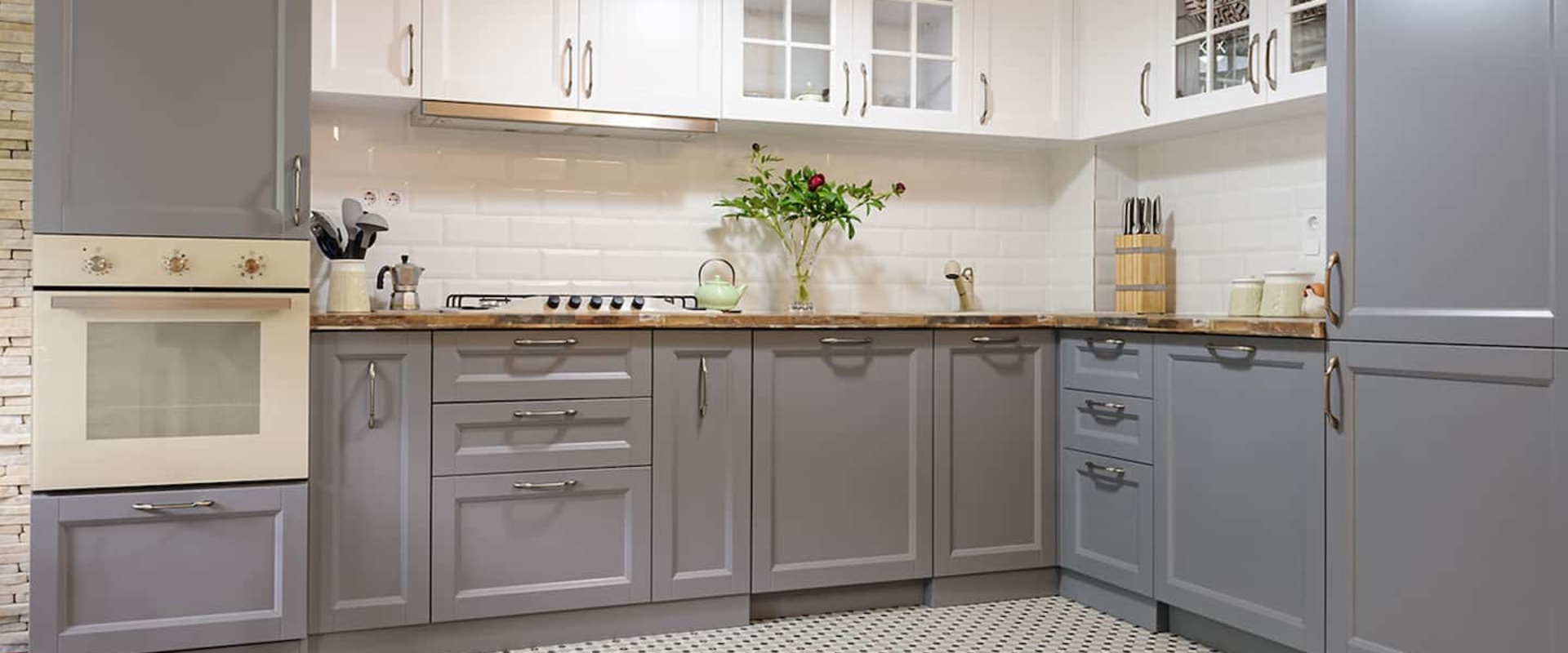
Embarking on a kitchen remodel is an exciting yet complex journey that can significantly enhance the functionality and aesthetic appeal of one of the most important spaces in your home. Understanding the kitchen remodel process is crucial for ensuring that your renovation not only meets your immediate needs but also aligns with your long-term goals. A successful kitchen renovation requires careful planning, a clear vision, and a thorough understanding of the various elements involved, from layout and design to materials and installation.Before diving into the specifics of whether to install floors or cabinets first, it’s essential to grasp the fundamental steps involved in planning a kitchen remodel. This process typically begins with assessing your current kitchen layout and identifying areas for improvement.
Consider factors such as workflow efficiency, storage needs, and overall style. Engaging with professionals can provide valuable insights and help you navigate through the myriad of choices available.Next, creating a detailed plan is vital. This includes setting a realistic budget, selecting materials, and establishing a timeline for the project. Each decision made during this phase will impact not only the final outcome but also the overall experience of your remodel.
By understanding these steps, you can better prepare yourself for the challenges ahead and make informed decisions that will lead to a successful transformation of your kitchen.As we delve deeper into the specifics of your kitchen remodel, we will explore critical questions such as whether to prioritize flooring or cabinetry installation. Each choice carries its own set of advantages and considerations that can influence both the immediate results and future flexibility of your kitchen space. With a solid foundation in the remodeling process, you’ll be well-equipped to tackle these decisions head-on.
The Case for Installing Floors First
When considering a kitchen remodel, one of the most debated topics is whether to install floors first or cabinets. Advocates for installing flooring before cabinets present several compelling arguments that can significantly influence the overall success and functionality of your kitchen space.Flexibility for Future Upgrades
One of the primary benefits of laying down flooring first is the flexibility it offers for future renovations.
By installing the floors beneath the cabinets and appliances, you create a foundation that allows for potential changes in layout or design without the need for extensive rework. This is particularly advantageous if you envision altering your kitchen's configuration in the years to come, whether that means expanding your space or simply changing the style.
Ease of Installation
Another significant advantage of installing floors first is the ease it brings to the installation process. When flooring is laid down before cabinets, it eliminates the need to make intricate cuts around islands, freestanding cabinets, and appliances. This not only saves time but also reduces the risk of damaging flooring materials during installation.
Additionally, having a clean slate with just the subfloor allows for a more straightforward and efficient installation process.
Considerations Regarding Flooring Materials
The type of flooring material you choose can also impact your decision on whether to install it before or after cabinets. For instance:
- Hardwood Floors: These can be installed first as they require precise fitting and are best laid down without obstructions.
- Tiles: Similar to hardwood, tiles should be installed first to ensure a level surface and avoid complications with cutting around cabinetry.
- Vinyl or Laminate: These floating floors can be installed over existing surfaces, but if you're starting fresh, laying them down first can still provide a cleaner look.
The Traditional Approach: Cabinets First
When it comes to a kitchen remodel, the traditional approach of installing cabinets first has been a widely accepted practice among homeowners and contractors alike. This method offers several advantages that can enhance the overall functionality and aesthetic appeal of your kitchen.Stability and Support
One of the primary reasons for installing cabinets before flooring is the added stability it provides.
Cabinets are typically heavy and require a solid foundation to ensure they remain securely in place. By installing them first, you can avoid potential issues with shifting or settling that may occur if the flooring is laid down first. This is particularly important for kitchens that will see a lot of use, as a stable cabinet installation can prevent future problems such as misaligned doors or drawers.
Design Considerations
Another significant benefit of the cabinets-first approach is the ability to design your kitchen layout more effectively. When cabinets are installed first, you can accurately measure and plan for your flooring installation around them.
This allows for a more cohesive design, as you can choose flooring materials that complement your cabinetry without worrying about awkward cuts or mismatched patterns.
Compatibility with Flooring Types
Many flooring options, such as tile or hardwood, require precise installation techniques that can be complicated by existing cabinetry. By placing cabinets first, you can ensure that your flooring fits seamlessly around them. This is especially true for fixed cabinetry, where the flooring must be cut to fit around corners and edges. Additionally, some flooring types, like laminate or vinyl, may not be suitable for installation over cabinets due to their need for expansion space.
Cabinet Options for Your Remodel
- Custom Cabinets: Tailored to your specific needs and preferences, custom cabinets offer the highest level of personalization.
- Stock Cabinets: Pre-manufactured and available in standard sizes, stock cabinets are often more affordable and quicker to install.
- Semi-Custom Cabinets: A blend of custom and stock options, these cabinets allow for some customization while still being budget-friendly.
- Eco-Friendly Cabinets: Made from sustainable materials, these options are perfect for environmentally conscious homeowners.
By carefully considering your options and working with professionals, you can create a kitchen that not only looks great but also functions efficiently for years to come.
Factors Influencing Your Decision
When embarking on a kitchen remodel, the decision of whether to install floors or cabinets first is influenced by several critical factors. Understanding these elements can help you make an informed choice that aligns with your vision and practical needs.1.Kitchen Layout
The layout of your kitchen plays a significant role in determining the order of installation. If your kitchen has a complex design with multiple islands or unique features, installing cabinets first may be advantageous. This approach allows for precise measurements and ensures that the cabinetry fits perfectly within the designated space.
Conversely, in simpler layouts, installing floors first can provide a seamless look and make future renovations easier.
2.Type of Flooring
The type of flooring you choose can also dictate the installation order. For instance, if you opt for floating floors, they can be installed over existing surfaces without any issues, making it feasible to install them after the cabinets. However, if you select tile or hardwood that requires adhesive or nails, it’s generally better to lay the flooring first to avoid damaging it during cabinet installation.
3.Future Renovations
Consider your long-term plans for the kitchen. If you anticipate making changes in the future, such as altering the layout or upgrading appliances, installing floors first may offer more flexibility.
This way, you won’t have to worry about cutting new flooring to fit around existing cabinets if you decide to rearrange your kitchen later.
4.Personal Preferences
Your personal style and preferences should not be overlooked. Some homeowners prefer the aesthetic of having cabinets installed first, as it allows them to visualize how their kitchen will look with all elements in place before committing to flooring choices. Others may prioritize functionality and ease of maintenance, leading them to choose flooring first.
5.Budget Considerations
Finally, your budget can influence your decision as well. Installing cabinets first may require additional costs for protective measures to safeguard your new flooring from potential damage during installation.
Weighing these costs against the benefits of each approach is essential for making a financially sound decision.In conclusion, several factors should guide your choice between installing floors or cabinets first during your kitchen remodel. By carefully considering your kitchen layout, flooring type, future renovation plans, personal preferences, and budget constraints, you can make a decision that best suits your needs and enhances the overall functionality and aesthetic of your kitchen.
The Importance of Professional Guidance
When embarking on a kitchen remodel, the importance of professional guidance cannot be overstated. While DIY projects can be rewarding, the complexities involved in a kitchen renovation often require the expertise of seasoned professionals. Here are several reasons why hiring experts can significantly enhance your remodeling experience.Expertise and Experience
Professional remodelers bring a wealth of knowledge and experience to the table.They understand the nuances of design, construction, and installation that can make or break your project. Their familiarity with local building codes and regulations ensures that your remodel complies with all necessary standards, preventing costly mistakes and delays.
Access to Resources
Another advantage of hiring professionals is their access to high-quality materials and trusted suppliers. Experienced remodelers have established relationships with vendors, allowing them to source materials at competitive prices. This not only saves you money but also ensures that you receive products that are durable and suited for your specific needs.Another advantage of hiring professionals is their access to high-quality materials and trusted suppliers. Experienced remodelers have established relationships with vendors, allowing them to source materials at competitive prices. This not only saves you money but also ensures that you receive products that are durable and suited for your specific needs.Time Efficiency
A kitchen remodel can be a time-consuming endeavor, especially if you are juggling it alongside work and family commitments.Professionals streamline the process by managing timelines effectively, coordinating subcontractors, and ensuring that each phase of the project is completed on schedule. This efficiency minimizes disruption to your daily life and helps you enjoy your new kitchen sooner.
Creative Solutions
Professional remodelers possess a keen eye for design and can offer creative solutions that you may not have considered. They can help you maximize space, improve functionality, and create a cohesive aesthetic that reflects your personal style. Their insights can transform your vision into a reality while avoiding common pitfalls.Stress Reduction
Undertaking a kitchen remodel can be overwhelming, but hiring professionals alleviates much of that stress.They handle all aspects of the project, from initial design consultations to final inspections, allowing you to focus on other priorities. With experts managing the details, you can rest assured that your project is in capable hands.In conclusion, investing in professional remodeling services for your kitchen renovation is a decision that pays off in numerous ways. From expert advice to efficient project management, the benefits are clear. If you're considering a kitchen remodel, reach out to experienced professionals who can guide you through the process and help you achieve the kitchen of your dreams.
Common Mistakes to Avoid in Kitchen Remodeling
Embarking on a kitchen remodel can be an exciting yet daunting task.Homeowners often envision a beautiful, functional space, but several common mistakes can derail the project and lead to frustration. Understanding these pitfalls is crucial for a successful renovation.
1.Skipping the Planning Phase
One of the most significant errors is diving into the remodel without a comprehensive plan. A well-thought-out design should include:- Layout considerations
- Budget constraints
- Timeline for completion
- Material selections
2.Underestimating Costs
Many homeowners underestimate the total cost of a kitchen remodel. It's essential to account for:- Labor costs
- Permits and inspections
- Unexpected repairs or upgrades
- Appliances and fixtures
3.Ignoring Functionality
A beautiful kitchen is important, but functionality should never be overlooked.Common mistakes include:
- Poor workflow between cooking, cleaning, and storage areas
- Inadequate counter space for meal preparation
- Lack of storage solutions for kitchen tools and appliances
4.Choosing Trends Over Timelessness
While it’s tempting to incorporate the latest trends, they may not stand the test of time. Opting for classic designs and materials can ensure your kitchen remains appealing for years to come.5.Neglecting Lighting Needs
A common oversight is inadequate lighting. A well-lit kitchen enhances both functionality and ambiance. Incorporate:- Task lighting for work areas
- Ambient lighting for overall illumination
- Accent lighting to highlight features like cabinetry or artwork
6.DIY Overreach
While DIY projects can save money, some aspects of a kitchen remodel, such as electrical or plumbing work, are best left to professionals.Attempting complex tasks without the necessary skills can lead to costly mistakes.Avoiding these common pitfalls will help ensure your kitchen remodel is not only beautiful but also functional and within budget. By planning carefully, considering functionality, and seeking professional help when needed, you can create the kitchen of your dreams without unnecessary headaches.
FAQs About Kitchen Remodeling: Floors vs. Cabinets First
When embarking on a kitchen remodel, many homeowners find themselves grappling with the question of whether to install floors or cabinets first. This decision can significantly impact the overall outcome of your renovation.Below are some frequently asked questions that can help clarify this dilemma.
What are the benefits of installing floors first?
Installing floors before cabinets can offer several advantages:- Flexibility for Future Changes: By laying down the flooring first, you maintain the option to rearrange or replace cabinets and appliances without worrying about damaging the floor.
- Easier Installation: It simplifies the installation process, as you won’t need to cut flooring around cabinets or islands, which can save time and reduce waste.
- Consistent Aesthetic: Having a continuous floor surface can create a more cohesive look, especially in open-concept spaces.
Are there any downsides to installing floors first?
While there are benefits, there are also potential drawbacks:- Risk of Damage: During cabinet installation, heavy equipment and materials may damage newly laid floors.
- Type of Flooring Matters: Some flooring types, like hardwood, may require acclimation and could be affected by the weight of cabinets if installed afterward.
Why do most professionals recommend cabinets first?
The traditional approach of installing cabinets before flooring is often favored for several reasons:- Protection of Flooring: Installing cabinets first helps protect your flooring from potential damage during the installation process.
- Accurate Measurements: Cabinets dictate the layout and flow of your kitchen, allowing for precise measurements when it comes to flooring installation.
- Floating Floors Exception: If you’re using floating floors, they can be installed over existing surfaces without needing to remove cabinets.
What should I consider when making my decision?
Your choice should depend on various factors including:- Your long-term plans for the kitchen layout.
- The type of flooring and cabinetry you are using.
- Your budget and timeline for the remodel.
Conclusion: Making the Right Choice for Your Kitchen Remodel
In conclusion, deciding whether to install floors or cabinets first during your kitchen remodel is a significant choice that can impact both the aesthetics and functionality of your space. Throughout this guide, we have explored the various arguments for each approach, highlighting the advantages and disadvantages that come with them.When considering the option of installing floors first, the flexibility it offers for future renovations stands out as a major benefit. This approach allows homeowners to adapt their kitchen layout without being constrained by existing cabinetry.Additionally, installing floors first can simplify the installation process, reducing the need for intricate cuts around cabinets and appliances.On the other hand, the traditional method of placing cabinets before flooring has its own merits. This method is often preferred for its ability to create a seamless look and ensure that cabinets are securely anchored. It also minimizes the risk of damaging flooring during cabinet installation, which can be a concern with certain types of flooring materials.Ultimately, the decision should be based on your unique circumstances, including your kitchen's layout, the type of flooring you plan to use, and your long-term renovation goals. Consider factors such as:
- Future Flexibility: If you anticipate making changes to your kitchen layout in the future, installing floors first may be advantageous.
- Type of Flooring: Some flooring materials are better suited for installation after cabinets, while others can be laid down first without issue.
- Professional Guidance: Consulting with experienced professionals can provide valuable insights tailored to your specific project.
Each option has its own set of benefits that cater to different needs and preferences. By carefully evaluating your situation and considering expert advice, you can make an informed decision that will lead to a successful kitchen renovation.Your kitchen is not just a functional space; it’s the heart of your home. Therefore, investing time in planning and making the right choices will ensure that your remodel meets both your aesthetic desires and practical requirements.