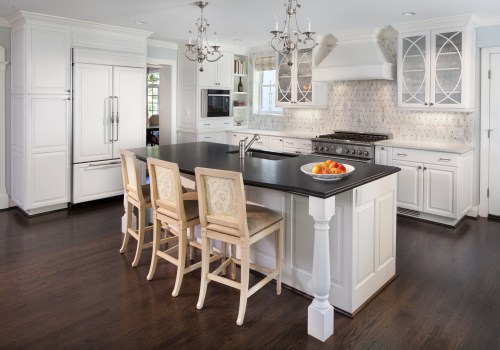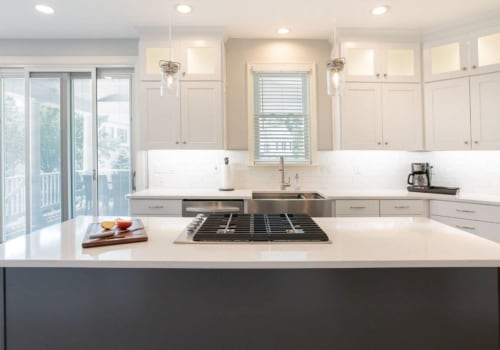
When considering a kitchen remodel, it's essential to grasp the full scope of what such a project entails. A kitchen is often regarded as the heart of the home, serving not only as a space for cooking but also as a gathering place for family and friends. Therefore, any renovation in this area can significantly impact both functionality and aesthetics. Understanding the various elements involved in a kitchen remodel is crucial for determining whether a budget of $40,000 is adequate.A kitchen remodel can range from simple cosmetic updates to extensive renovations that involve structural changes.
For instance, you might be looking at replacing outdated appliances, installing new countertops, or even reconfiguring the layout to improve workflow. Each of these tasks comes with its own set of costs and considerations. Renovation costs can vary widely based on factors such as the quality of materials chosen, the complexity of the design, and labor expenses in your area.Moreover, it’s important to recognize that a kitchen remodel is not just about aesthetics; it also involves enhancing functionality and efficiency. This could mean upgrading to energy-efficient appliances or improving storage solutions.
As you delve into your project, consider how each decision aligns with your overall vision for the space. By understanding the scope of work involved in a kitchen remodel, you can better assess whether your budget will meet your goals or if adjustments are necessary.
Average Costs of Kitchen Remodeling
When considering a kitchen remodel, understanding the average costs associated with the project is crucial for effective budgeting. Kitchen renovations can vary widely in price based on several factors, including the scope of work, materials used, and the complexity of the design. Here’s a detailed breakdown of what you can expect when planning your kitchen renovation.Average Kitchen Remodel Costs
The cost of a kitchen remodel can range significantly.According to recent data, homeowners typically spend between $15,000 and $50,000 on a kitchen renovation. However, high-end remodels can exceed $100,000 , especially if you are looking to incorporate luxury finishes or extensive structural changes.
Cost Breakdown
To give you a clearer picture, here’s a breakdown of typical costs associated with various aspects of a kitchen remodel:- Cabinets: Cabinets often account for about 30% of your total budget. A mid-range cabinet installation can cost between $5,000 and $15,000 .
- Countertops: Depending on the material chosen (granite, quartz, laminate), countertops can range from $2,000 to $10,000 .
- Appliances: New appliances can be a significant investment. Expect to spend anywhere from $3,000 to $15,000 , depending on the brand and features.
- Flooring: Flooring options vary widely in price.
Budget-friendly options like vinyl may cost around $1,500 , while hardwood or tile can run upwards of $5,000 .
- Labor: Labor costs typically account for 20% to 35% of your total budget. Depending on your location and the complexity of the project, this could range from $4,000 to $10,000 .
- Lighting and Fixtures: Upgrading lighting and fixtures can add another $1,500 to $5,000 , depending on your choices.
Factors Influencing Kitchen Remodel Costs
When planning a kitchen remodel, understanding the various factors that influence costs is essential for effective budgeting. Each element of the renovation can significantly impact the overall expense, and being aware of these can help homeowners make informed decisions.- Size of the Kitchen: The dimensions of your kitchen play a crucial role in determining costs.
A larger kitchen typically requires more materials, labor, and time to remodel. For instance, if you have a spacious kitchen, you may need to budget for additional cabinetry, countertops, and flooring, which can quickly add up.
- Scope of the Remodel: The extent of the renovation will also affect your budget. A minor update, such as replacing fixtures and painting cabinets, will be less expensive than a full remodel that includes structural changes or layout alterations. Homeowners should clearly define whether they are looking for a cosmetic refresh or a complete overhaul.
- Materials and Finishes: The choice of materials can dramatically influence costs.
High-end finishes like granite countertops or custom cabinetry can elevate the aesthetic but also increase expenses. Conversely, opting for more affordable materials such as laminate or stock cabinets can help keep costs down without sacrificing style.
- Labor Costs: Labor is often one of the most significant expenses in a kitchen remodel. Rates can vary based on location and the complexity of the work required. Hiring skilled professionals may cost more upfront but can lead to better quality results and fewer issues down the line.
- Location: Geographic location plays a vital role in remodeling costs.
Urban areas with higher living costs typically see increased prices for both materials and labor compared to rural regions. Additionally, local building codes and regulations may require specific permits or inspections that can add to overall expenses.
- Age of the Home: Older homes may present unique challenges during a remodel, such as outdated plumbing or electrical systems that need upgrading. These unforeseen issues can lead to additional costs that should be factored into your budget.
What You Can Achieve with a $40,000 Budget
When working with a budget of $40,000 for your home renovation, particularly for a kitchen remodel, there are numerous options available that can significantly enhance the functionality and aesthetic appeal of your space.When working with a budget of $40,000 for your home renovation, particularly for a kitchen remodel, there are numerous options available that can significantly enhance the functionality and aesthetic appeal of your space.Here are some practical projects and upgrades you can consider:
1.Kitchen Remodel Essentials
- Cabinet Refacing or Replacement: One of the most impactful changes you can make is updating your cabinets. You can either reface existing cabinets for a fresh look or replace them entirely. Depending on the materials chosen, this can range from $10,000 to $20,000.
- Countertop Upgrades: Replacing old countertops with materials like quartz or granite can elevate your kitchen's appearance. Budget around $3,000 to $7,000 for quality options.
- New Appliances: Investing in energy-efficient appliances not only modernizes your kitchen but also saves on utility bills.
A full suite of new appliances can cost between $5,000 and $10,000.
2.Flooring Options
Updating the flooring can dramatically change the look of your kitchen. Consider these options:- Hardwood Flooring: Classic and durable, hardwood flooring typically costs between $6 to $12 per square foot.
- Tile Flooring: Ceramic or porcelain tiles offer a wide range of styles and are generally more affordable, costing around $1 to $5 per square foot.
3.Lighting and Fixtures
Good lighting is essential in any kitchen remodel. Allocate funds for:- Pendant Lights: Stylish pendant lights over an island or dining area can cost between $100 to $500 each.
- Under-Cabinet Lighting: This adds both functionality and ambiance, typically costing around $200 to $600 for installation.
4.Minor Renovations
If a full remodel isn't feasible within your budget, consider these budget-friendly renovations:- Backsplash Installation: A new backsplash can refresh the look of your kitchen without a hefty price tag, costing around $1,500 to $3,000.
- Painting and Finishing Touches: A fresh coat of paint can transform your space for under $1,000.
What a $40,000 Budget May Not Cover
While a budget of $40,000 can cover a variety of home renovation projects, it is essential to understand the limitations when it comes to larger or more complex renovations, particularly in the kitchen.Here are some key areas where a $40,000 budget may fall short:
Major Kitchen Remodels
When considering a complete kitchen remodel, homeowners should be aware that costs can escalate quickly. A full remodel typically involves:- Demolition and Structural Changes: If you plan to change the layout of your kitchen, this may require structural work, which can significantly increase costs.
- High-End Appliances: Upgrading to premium appliances can easily consume a large portion of your budget. High-quality ovens, refrigerators, and dishwashers often come with hefty price tags.
- Custom Cabinetry: Custom cabinets are not only more expensive than stock options but also add to the overall aesthetic and functionality of your kitchen.
- Countertops: Materials like granite or quartz can be costly. Depending on the size of your kitchen, these expenses can quickly add up.
Therefore, if your goal is a full-scale transformation, $40,000 may not suffice.
Room Additions
If you're considering adding an entirely new room or expanding your kitchen's footprint, this is another area where $40,000 will likely fall short. Room additions typically involve:- Foundation Work: Laying a new foundation is a significant expense that must be factored into any addition.
- Framing and Roofing: The costs associated with framing and roofing can add thousands to your project.
- Utilities and Finishes: Extending plumbing and electrical systems into the new space will also contribute to the overall cost.
Complete Home Renovations
If your vision includes renovating multiple areas of your home or even undertaking a complete overhaul of the property, $40,000 will likely not be enough. Complete renovations often include:- Multiple Rooms: Renovating several rooms at once increases labor and material costs exponentially.
- Structural Repairs: Older homes may require extensive repairs that are not immediately visible but are necessary for safety and compliance.
- Aesthetic Upgrades: From flooring to lighting fixtures throughout the house, these costs can accumulate quickly.
Therefore, if you aim for a full renovation rather than isolated updates, it’s essential to set realistic expectations regarding your budget.In summary, while $40,000 can facilitate various home improvements and minor renovations effectively, it is crucial for homeowners to recognize its limitations when it comes to major remodeling projects. Understanding these constraints will help in planning more effectively and avoiding disappointment down the line.
Tips for Maximizing Your Kitchen Remodel Budget
When embarking on a kitchen remodel with a budget of $40,000, it’s essential to make every dollar count. Here are some practical tips to help you maximize your renovation budget while achieving the kitchen of your dreams.1.Prioritize Your Needs
Before diving into the remodel, take the time to assess what aspects of your kitchen are most important to you. Consider creating a list that categorizes your needs into three tiers:- Must-Haves: These are essential features that you cannot live without, such as new cabinets or appliances.
- Nice-to-Haves: These items would enhance your kitchen but are not critical, like a backsplash or upgraded lighting.
- Future Considerations: Features that can be added later when more funds are available, such as an island or high-end finishes.
2.Set a Realistic Budget
While $40,000 is a substantial amount for a kitchen remodel, it’s crucial to set a realistic budget that includes all potential costs.Don’t forget to account for:
- Labor Costs: Skilled labor can take up a significant portion of your budget. Get multiple quotes from contractors to find the best deal.
- Materials: Research different materials and their costs. Opting for mid-range options can save money without sacrificing quality.
- Unexpected Expenses: Always set aside 10-15% of your budget for unforeseen issues that may arise during the renovation process.
3.Shop Smart
Finding cost-effective solutions doesn’t mean compromising on quality. Here are some strategies for smart shopping:- Compare Prices: Visit multiple suppliers and showrooms to compare prices on materials and fixtures.
- Look for Sales: Keep an eye out for seasonal sales or clearance events at home improvement stores.
- Consider Reclaimed Materials: Salvaged wood or vintage fixtures can add character to your kitchen while saving you money.
4.DIY Where Possible
If you have the skills and time, consider tackling some aspects of the remodel yourself.Simple tasks like painting cabinets, installing hardware, or even laying tile can significantly reduce labor costs. However, be honest about your abilities; hiring professionals for complex tasks like plumbing or electrical work is often worth the investment.
5.Focus on Energy Efficiency
Investing in energy-efficient appliances and fixtures can lead to long-term savings on utility bills. Look for appliances with the Energy Star label, which indicates they meet energy efficiency guidelines set by the U. S.Environmental Protection Agency. While these may have a higher upfront cost, they can pay off in savings over time.By following these tips and being strategic about your spending, you can maximize your $40,000 budget and create a beautiful kitchen that meets your needs without breaking the bank.
Financing Options for Your Kitchen Remodel
When planning a kitchen remodel, understanding your financing options is crucial to ensure that you can achieve your desired results without breaking the bank. Here are several financing avenues to consider:- Home Improvement Loans: These loans are specifically designed for renovations and can cover a wide range of projects, including kitchen remodels. They typically come with lower interest rates compared to personal loans, making them an attractive option for homeowners.
You can secure these loans through banks, credit unions, or online lenders.
- Home Equity Loans: If you have built up equity in your home, a home equity loan allows you to borrow against that equity. This type of loan usually offers lower interest rates and fixed repayment terms. However, it’s important to remember that your home serves as collateral, so failing to repay could put your home at risk.
- Home Equity Line of Credit (HELOC): Similar to a home equity loan, a HELOC allows you to borrow against your home’s equity but functions more like a credit card. You can withdraw funds as needed during the draw period and only pay interest on the amount you use.
This flexibility can be beneficial for ongoing kitchen renovations.
- Personal Loans: If you don’t have enough equity in your home or prefer not to use it as collateral, personal loans are another option. These unsecured loans typically have higher interest rates than home equity loans but can be used for any purpose, including kitchen remodels.
- Government Grants and Programs: Depending on your location and financial situation, there may be government grants available for home improvements. Programs like the Federal Housing Administration (FHA) 203(k) loan allow homeowners to finance both the purchase of a home and the cost of renovations in one mortgage.
This will help you determine how much financing you need and which option is best suited for your circumstances.Additionally, always shop around for the best rates and terms. Different lenders may offer varying interest rates and repayment plans, so taking the time to compare can save you money in the long run. By understanding your financing options and budgeting effectively, you can make informed decisions that will lead to a successful kitchen remodel.
Frequently Asked Questions About Kitchen Remodeling Budgets
When considering a kitchen remodel, especially with a budget of $40,000, many homeowners have questions about what to expect. Here are some frequently asked questions that can help clarify your understanding of kitchen remodeling budgets.What can I realistically achieve with a $40,000 kitchen remodel?
A budget of $40,000 can allow for significant updates in your kitchen.You can expect to:
- Upgrade Appliances: Invest in mid-range appliances that offer both style and functionality.
- Change Countertops: Replace old countertops with materials like quartz or granite.
- Refinish Cabinets: Instead of replacing cabinets, consider refinishing or painting them for a fresh look.
- Add New Flooring: Install new flooring options such as tile, hardwood, or luxury vinyl.
- Improve Lighting: Update lighting fixtures to enhance the ambiance and functionality of the space.
Are there hidden costs I should be aware of?
Yes, kitchen remodels often come with unexpected expenses. Some common hidden costs include:- Permits: Depending on your location and the scope of your remodel, you may need permits that can add to your costs.
- Structural Changes: If you plan to change the layout, structural modifications may be necessary, which can be costly.
- Electrical and Plumbing Updates: Older homes may require updates to electrical systems or plumbing, which can increase your budget.
How can I stay within my $40,000 budget?
Staying within budget requires careful planning and prioritization. Here are some tips:- Create a Detailed Plan: Outline every aspect of your remodel to avoid surprises.
- Prioritize Needs vs. Wants: Focus on essential upgrades first before considering luxury items.
- Get Multiple Quotes: Compare estimates from different contractors to find the best deal without compromising quality.
Conclusion: Making Your Kitchen Remodel Work Within Your Budget
In summary, embarking on a kitchen remodel with a budget of $40,000 can be a feasible endeavor, provided you approach the project with careful planning and realistic expectations.Throughout this article, we have explored various aspects of home renovation costs, particularly focusing on kitchen remodeling, which is often one of the most significant investments homeowners make.To recap, here are the key takeaways regarding your kitchen remodel:
- Understanding Costs: The average cost of a kitchen remodel can vary widely based on factors such as size, materials, and labor. While $40,000 can cover a mid-range remodel, it may not suffice for high-end finishes or extensive structural changes.
- Scope of Work: Defining the scope of your project is crucial. A minor update—like replacing countertops and fixtures—can be achieved within this budget. However, a complete overhaul that includes new cabinetry and layout changes may exceed your financial limits.
- Prioritization: Prioritizing your needs versus wants is essential.
Focus on elements that will enhance functionality and aesthetics without overspending. For instance, investing in quality appliances may yield better long-term satisfaction than opting for luxury finishes.
- Flexibility: Be open to alternatives. If your dream materials are out of reach, consider similar options that fit your budget while still achieving the desired look.
- Planning and Research: Conduct thorough research and obtain multiple quotes from contractors. This will help you find competitive pricing and avoid unexpected costs during the renovation process.
By adhering to these principles and maintaining a clear focus on your goals, you can transform your kitchen into a space that not only meets your needs but also enhances the overall value of your home.As you embark on this journey, remember that thoughtful planning and strategic budgeting are your best allies in achieving a beautiful and functional kitchen within the constraints of your $40,000 budget.