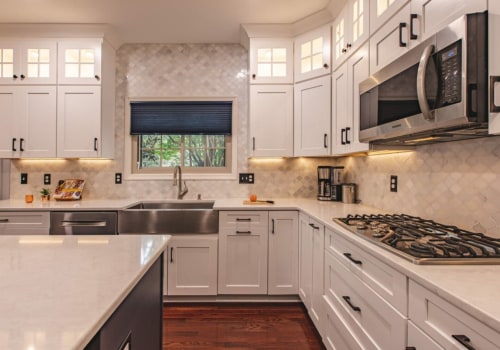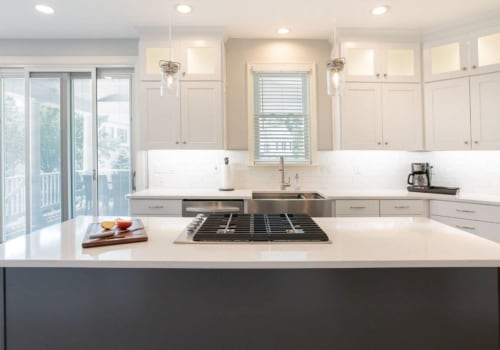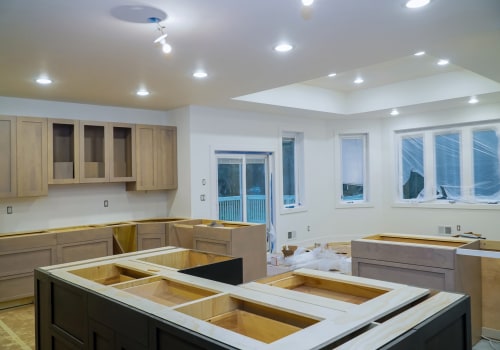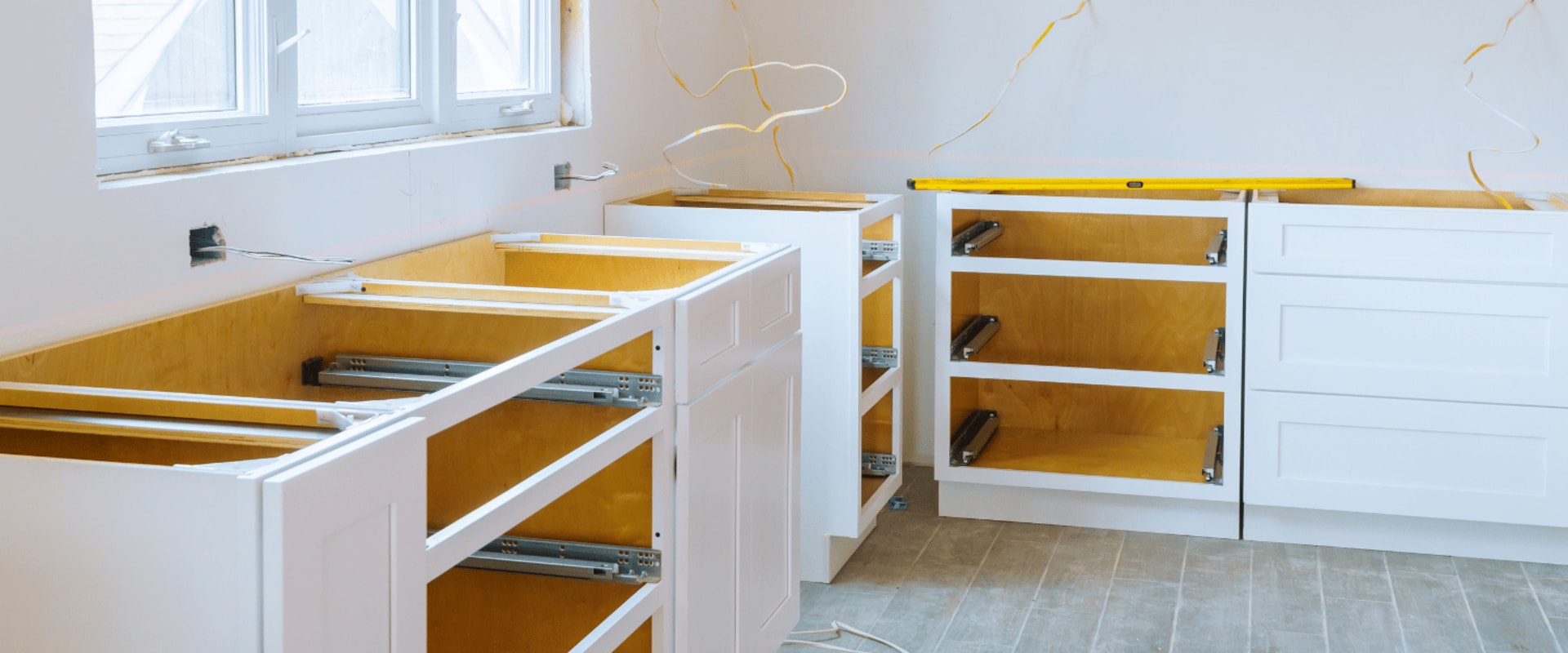
Embarking on a kitchen remodel is an exciting yet intricate journey that requires careful navigation through various stages. Understanding the kitchen remodeling process is essential for homeowners who wish to transform their culinary space into a functional and aesthetically pleasing environment. The complexity of this process can often lead to confusion and frustration, making it crucial to approach each step with a clear plan and realistic expectations. The kitchen renovation steps typically begin with a thorough assessment of your current kitchen layout, style, and functionality. This initial evaluation helps identify what works well and what needs improvement.
From there, homeowners must consider their specific needs, preferences, and budget constraints. Engaging in detailed planning at this stage can significantly reduce the likelihood of encountering unexpected challenges later in the project. Moreover, understanding the importance of each phase in the remodeling process can empower homeowners to make informed decisions. Whether it’s selecting materials, choosing appliances, or finalizing layouts, each choice plays a pivotal role in the overall success of the remodel. By prioritizing communication with contractors and designers, homeowners can ensure that their vision is accurately translated into reality. In summary, a successful kitchen remodel hinges on a comprehensive understanding of the remodeling process.
By investing time in planning and preparation, you can navigate the complexities of your project with confidence, ultimately leading to a kitchen that not only meets your functional needs but also reflects your personal style.
Common Challenges in Kitchen Remodeling
Embarking on a kitchen remodel can be an exciting yet daunting journey. Homeowners often encounter a variety of challenges that can complicate the process. Understanding these common issues can help you prepare and navigate your renovation more effectively.- Budget Constraints: One of the most significant hurdles in any kitchen renovation is managing the budget. Costs can quickly escalate due to unexpected expenses, such as structural repairs or changes in material prices.
To mitigate this, it’s essential to establish a realistic budget at the outset and include a contingency fund of at least 10-20% for unforeseen costs.
- Design Decisions: Choosing the right design can be overwhelming, especially with the myriad of styles, colors, and materials available. Homeowners often struggle to balance aesthetics with functionality. To overcome this challenge, consider creating a mood board or consulting with a design professional who can help align your vision with practical solutions.
- Contractor Issues: Finding a reliable contractor is crucial for a successful kitchen remodel. Unfortunately, not all contractors deliver quality work or adhere to timelines.
To avoid this pitfall, conduct thorough research, read reviews, and ask for references before hiring. Establish clear communication and set expectations from the beginning to ensure a smooth working relationship.
- Space Planning: The layout of your kitchen plays a vital role in its functionality. Many homeowners underestimate how changes in layout can affect workflow and usability. It’s important to consider the kitchen work triangle—sink, stove, and refrigerator—and ensure that these elements are positioned for optimal efficiency.
- Permitting and Regulations: Depending on your location, certain renovations may require permits or adherence to building codes.
Failing to secure necessary permits can lead to fines or complications down the line. Always check local regulations before starting your project to ensure compliance.
Setting a Realistic Budget for Your Kitchen Remodel
Creating a realistic budget for your kitchen remodel is one of the most critical steps in ensuring a successful renovation. A well-planned budget not only helps you avoid financial stress but also allows you to make informed decisions throughout the remodeling process.Here are some essential tips to help you estimate costs effectively and prepare for unexpected expenses.
1.Determine Your Overall Budget
Before diving into specifics, establish a total budget for your kitchen renovation. Consider your financial situation and how much you can comfortably allocate without straining your finances. A common guideline is to spend about 5-15% of your home’s value on a kitchen remodel, but this can vary based on personal preferences and local market conditions.
2.Break Down Costs by Category
Once you have a total budget in mind, break it down into categories to get a clearer picture of where your money will go:
- Materials: This includes cabinets, countertops, flooring, appliances, and fixtures. Research prices online or visit local showrooms to get an idea of what you want and how much it will cost.
- Labor: Hiring professionals can significantly impact your budget.
Get multiple quotes from contractors and ensure they include all aspects of the job, such as installation and cleanup.
- Permits and Fees: Depending on the scope of your remodel, you may need permits for plumbing, electrical work, or structural changes. Check with your local building department for requirements and associated costs.
- Unexpected Expenses: It’s wise to set aside 10-20% of your budget for unforeseen issues that may arise during the remodel, such as hidden water damage or outdated electrical systems.
3.Prioritize Your Needs vs. Wants
When budgeting for a kitchen renovation, distinguish between what you need and what you want. Focus on essential upgrades that enhance functionality and safety before splurging on luxury items.
For example, investing in high-quality cabinets may be more beneficial than opting for expensive decorative elements that don’t add value.
4.Monitor Your Spending
As the project progresses, keep track of all expenses to ensure you stay within your budget. Use budgeting tools or apps to help manage costs effectively. Regularly review your spending against your initial estimates to identify any areas where adjustments may be necessary.By following these guidelines, you can create a realistic budget that accommodates both your vision and financial capabilities, making your kitchen remodel a rewarding experience rather than a source of stress.
Choosing the Right Layout and Design
When embarking on a kitchen remodel, one of the most critical decisions you'll face is selecting the right layout and design. The layout of your kitchen not only influences its aesthetic appeal but also significantly impacts its functionality and workflow.Understanding the various kitchen layout options available can help you create a space that meets your needs while enhancing your home’s overall value.Here are some popular kitchen layout options to consider:
- U-Shaped Kitchen: This layout features three walls of cabinets and appliances, creating a U-shape. It offers ample storage and counter space, making it ideal for larger families or those who enjoy cooking.
- L-Shaped Kitchen: An L-shaped kitchen consists of two adjoining walls, providing an open feel and allowing for easy movement between work zones. This layout is perfect for smaller spaces and can accommodate an island for additional seating or prep space.
- Galley Kitchen: Often found in smaller homes, a galley kitchen features two parallel walls with a narrow walkway in between. This efficient design maximizes space and is great for one-cook kitchens.
- Island Kitchen: Incorporating an island into your kitchen layout can enhance both functionality and style.
Islands provide extra counter space, storage, and can serve as a casual dining area.
- Open Concept Kitchen: This modern approach integrates the kitchen with adjacent living spaces, promoting social interaction. It’s essential to ensure that the design maintains a cohesive flow with the rest of your home.
- Consider Your Workflow: Think about how you use your kitchen daily. The classic work triangle—comprising the stove, sink, and refrigerator—should be efficient to minimize movement while cooking.
- Select Functional Materials: Choose materials that are not only visually appealing but also durable and easy to maintain.
For example, quartz countertops offer beauty and resilience.
- Incorporate Adequate Lighting: A well-lit kitchen is essential for both safety and ambiance. Combine task lighting with ambient lighting to create a warm and inviting atmosphere.
- Add Personal Touches: Infuse your personality into the design through color schemes, decorative backsplashes, or unique hardware choices that reflect your style.
Selecting Quality Materials and Appliances
When embarking on a kitchen remodel, one of the most critical decisions you will face is selecting the right materials and appliances. The choices you make can significantly impact not only the aesthetic appeal of your kitchen but also its functionality and longevity.Here are some essential considerations to guide you through this process.
Choosing Quality Materials
Investing in high-quality materials is paramount for a successful kitchen remodel. Here are some of the best materials to consider:- Cabinets: Opt for solid wood or plywood cabinets instead of particleboard. Solid wood offers durability and can be refinished, while plywood is less prone to warping.
- Countertops: Materials like granite, quartz, and marble are popular for their durability and aesthetic appeal. Each has its pros and cons; for instance, granite is heat-resistant but requires sealing, while quartz is non-porous and low-maintenance.
- Flooring: Consider hardwood, tile, or luxury vinyl.
Hardwood adds warmth but may require more maintenance, while tile is durable and water-resistant, making it ideal for kitchens.
- Backsplash: Glass, ceramic, or natural stone tiles can enhance your kitchen's design. Choose materials that are easy to clean and resistant to stains.
Selecting Kitchen Appliances
The right appliances can elevate your kitchen's functionality. Here are some tips for choosing quality kitchen appliances:- Energy Efficiency: Look for appliances with the Energy Star label. These models consume less energy, which can save you money on utility bills in the long run.
- Size and Fit: Ensure that your appliances fit well within your kitchen layout.
Measure your space carefully before purchasing to avoid any surprises during installation.
- Features: Consider what features are essential for your cooking style. For example, if you love baking, a double oven might be a worthwhile investment.
- Brand Reputation: Research brands known for their reliability and customer service. Reading reviews can provide insight into the performance and longevity of specific models.
Finding Reliable Contractors and Professionals
When embarking on a kitchen remodel, one of the most critical steps is finding reliable contractors and professionals who can bring your vision to life.The right team can make all the difference in ensuring that your project runs smoothly, stays within budget, and meets your expectations. Here are some essential tips to help you navigate this process effectively.
1.Start with Research
- Begin by asking friends, family, or neighbors for recommendations. Personal experiences can provide valuable insights into the quality of work and professionalism of contractors.
- Utilize online resources such as review sites, social media platforms, and local business directories to gather a list of potential candidates.
- Check for any complaints or negative reviews that may indicate issues with reliability or quality.
2.Verify Credentials
- Ensure that the contractors you consider are licensed and insured. This protects you from liability in case of accidents or damages during the remodeling process.
- Look for certifications or memberships in professional organizations, which can indicate a commitment to quality and ongoing education in the field.
3.Conduct Interviews
- Once you have a shortlist, schedule interviews with each contractor.
This is your opportunity to discuss your project in detail and gauge their expertise.
- Ask about their experience with kitchen remodels, including similar projects they have completed. Request references from past clients to verify their work quality.
- Pay attention to their communication style; a contractor who listens and responds thoughtfully is likely to be more collaborative throughout the project.
4.Set Clear Expectations
- Before signing any contracts, ensure that all parties have a clear understanding of the project scope, timeline, and budget. This will help prevent misunderstandings later on.
- Discuss how changes will be handled during the remodel, as flexibility may be necessary due to unforeseen circumstances.
5.Review Contracts Thoroughly
- Once you select a contractor, carefully review the contract before signing. Ensure it includes all agreed-upon details such as payment schedules, materials to be used, and warranties on work performed.
- A well-drafted contract protects both you and the contractor and serves as a reference point throughout the project.
By conducting thorough research, verifying credentials, setting clear expectations, and maintaining open lines of communication, you can create a positive working relationship that leads to a successful remodeling experience.
Managing the Remodeling Timeline Effectively
Creating a realistic timeline for your kitchen remodel is crucial for ensuring a smooth renovation process. A well-structured schedule not only helps you stay organized but also minimizes stress and uncertainty. Here are some key steps to effectively manage your remodeling timeline:- Define Your Goals: Before diving into the timeline, clarify what you want to achieve with your kitchen remodel. Are you looking for a complete overhaul or just minor updates? Understanding your goals will help you allocate time appropriately.
- Consult Professionals: Engaging with experienced contractors or designers can provide valuable insights into realistic timeframes.
They can help you understand how long each phase of the project typically takes based on their expertise.
- Break Down the Project: Divide the remodel into distinct phases, such as planning, demolition, construction, and finishing touches. This breakdown allows for better tracking of progress and helps identify potential delays early on.
- Set Milestones: Establish key milestones throughout the project. These could include completion of design plans, delivery of materials, or installation of cabinets.
Milestones serve as checkpoints to assess progress and make necessary adjustments.
- Be Flexible: While it’s important to stick to your timeline, be prepared for unexpected delays. Issues such as supply chain disruptions or unforeseen structural problems can arise. Having a buffer in your schedule can alleviate stress when these situations occur.
- Communicate Regularly: Maintain open lines of communication with your contractor and any other professionals involved in the remodel. Regular updates can help you stay informed about progress and any changes that may affect your timeline.
By following these steps, you can create a realistic schedule that keeps your project on track and ensures that your dream kitchen becomes a reality without unnecessary delays.
Dealing with Unexpected Issues During Remodeling
Embarking on a kitchen remodel can be an exciting journey, but it often comes with its fair share of unexpected challenges. From structural issues to design miscalculations, these surprises can derail your project if not handled effectively. Here are some common unexpected problems you might encounter during your kitchen renovation and strategies for managing them.Common Unexpected Issues
- Structural Problems: Discovering issues like water damage, mold, or outdated electrical systems can halt progress. These problems often require immediate attention and can lead to increased costs.
- Design Flaws: Sometimes, the initial design may not translate well into reality.
This could be due to spatial constraints or aesthetic mismatches that weren't apparent during the planning phase.
- Supply Chain Delays: With many homeowners facing delays in receiving materials, it's crucial to have a backup plan. Items like cabinets, countertops, or appliances may take longer than expected to arrive.
- Budget Overruns: Unforeseen expenses can quickly add up, especially if you encounter issues that require additional work or materials.
Strategies for Managing Unexpected Issues
To keep your kitchen remodel on track despite these challenges, consider the following strategies:- Establish a Contingency Fund: Set aside 10-20% of your total budget for unexpected expenses. This financial cushion can help you address issues without derailing your entire project.
- Communicate with Your Contractor: Maintain open lines of communication with your contractor. They can provide insights into potential problems and help devise solutions quickly.
- Be Flexible with Design Choices: If a particular design element isn't feasible, be prepared to adapt.
Having alternative options ready can save time and frustration.
- Stay Informed: Educate yourself about common remodeling issues and their solutions. The more knowledgeable you are, the better equipped you'll be to handle surprises as they arise.
Tips for Living Through a Kitchen Remodel
Undergoing a kitchen remodel can be an exciting yet challenging experience, especially when it comes to managing your daily life amidst the chaos. Here are some practical tips to help you navigate this transition smoothly and maintain a sense of normalcy.1.Plan Your Meals Wisely
One of the most significant disruptions during a kitchen remodel is the inability to cook in your usual space.To mitigate this, consider the following meal planning strategies:
- Utilize a Slow Cooker or Instant Pot: These appliances can be used in other areas of your home, such as the living room or dining area, allowing you to prepare meals without needing a full kitchen.
- Embrace No-Cook Meals: Stock up on easy-to-prepare items like salads, sandwiches, and wraps that require minimal preparation and cleanup.
- Plan for Takeout: While it can be tempting to order takeout frequently, set a budget for dining out to avoid overspending. Explore local restaurants that offer healthy options.
2.Create a Temporary Kitchen Space
If possible, designate a small area in your home as a temporary kitchen. This could be a corner of your dining room or even a spare room. Equip it with essential items such as:- A microwave
- A coffee maker
- A mini-fridge
- Your basic cooking utensils and dishes
3.Maintain Open Communication with Your Contractor
Regular communication with your remodeling team is crucial.Schedule daily or weekly check-ins to discuss progress and any potential disruptions. This will help you stay informed about timelines and adjust your plans accordingly.
4.Set Boundaries and Expectations
Let your family know what to expect during the remodel. Discuss how long certain areas will be off-limits and establish rules for navigating around construction zones safely.5.Embrace Flexibility
Finally, remember that flexibility is key during this process. Unexpected delays or changes may arise, so maintaining a positive attitude will help you cope with the inconveniences of living through a remodel.By implementing these strategies, you can effectively manage your home life during a kitchen remodel, ensuring that the disruption is minimized while you work towards creating your dream kitchen.Finalizing Your Kitchen Remodel: Inspection and Adjustments
Completing a kitchen remodel is an exciting milestone, but it’s crucial to take the time to conduct a thorough final inspection.This step ensures that every aspect of your renovation meets your expectations and adheres to quality standards. A final inspection not only helps identify any issues but also provides peace of mind that your new kitchen is both functional and aesthetically pleasing.
What to Look For During the Final Inspection
When performing a final inspection of your kitchen remodel, consider the following key areas:- Cabinetry and Hardware: Check that all cabinets are properly aligned, doors open and close smoothly, and hardware is securely attached. Look for any scratches or dents that may have occurred during installation.
- Countertops: Inspect the countertops for evenness, seams, and any visible damage. Ensure that they are sealed properly to prevent moisture infiltration.
- Appliances: Verify that all appliances are functioning correctly.
This includes checking for proper installation, ensuring they are level, and confirming that they are connected to power and water sources as needed.
- Plumbing and Electrical: Test all faucets, sinks, and fixtures for leaks. Ensure that electrical outlets are working and positioned conveniently for your kitchen layout.
- Flooring: Examine the flooring for any imperfections or uneven areas. Make sure it is securely installed and free from damage.
Addressing Necessary Adjustments
If you identify any issues during your inspection, it’s important to address them promptly. Here are some steps to take:- Document Issues: Take detailed notes or photographs of any problems you find.
This documentation will be helpful when discussing adjustments with your contractor.
- Communicate with Your Contractor: Reach out to your contractor or remodeling team to discuss the issues you’ve identified. A reputable contractor will be willing to make necessary adjustments to ensure your satisfaction.
- Set a Timeline for Corrections: Agree on a timeline for when adjustments will be made. This helps keep the project on track and ensures that you can start enjoying your new kitchen as soon as possible.
<strong>Conclusion</strong>
In conclusion, embarking on a kitchen remodel can be a transformative experience that not only enhances the aesthetic appeal of your home but also improves its functionality and value.However, it is essential to recognize that this journey is often fraught with challenges that can seem overwhelming at times. By understanding these potential obstacles and preparing for them, you can navigate the remodeling process with greater ease and confidence.One of the most critical aspects of a successful kitchen remodel is thorough planning. This involves not only setting a realistic budget but also defining your goals and priorities for the space. Consider what elements are most important to you—whether it’s increased storage, improved layout, or modern appliances—and ensure these priorities guide your decisions throughout the project.Additionally, engaging with experienced professionals can significantly alleviate the stress associated with a kitchen remodel.
From designers to contractors, having a team of experts can provide valuable insights and help you avoid common pitfalls. They can assist in creating a cohesive design that reflects your style while ensuring that all installations meet safety and building codes.Moreover, flexibility is key during the remodeling process. Unexpected issues may arise, such as delays in material delivery or unforeseen structural problems. Being adaptable and maintaining open communication with your team will help you address these challenges effectively without losing sight of your overall vision.Finally, remember that a kitchen remodel is not just about aesthetics; it’s about creating a space that enhances your daily life.
Take the time to envision how you will use your new kitchen and make choices that align with your lifestyle. Whether you love entertaining guests or prefer quiet family dinners, your kitchen should reflect how you live.By approaching your kitchen remodel with careful planning, professional guidance, and a focus on your personal needs, you can overcome challenges and create a beautiful, functional space that you will cherish for years to come.