At Jiffy Junk, we’ve seen estate cleanout cost change quickly once everything is pulled from closets, basements, and garages—so planning ahead matters. This guide walks you through step-by-step cost planning for an estate cleanout, so you can build a realistic budget, understand what affects pricing, and avoid surprise charges.
TL;DR Quick Answers
Estate cleanout cost
Estate cleanout cost depends on volume, labor time, access, and disposal fees—not just the size of the house.
Quick cost drivers (what changes price most):
How much stuff needs to be removed (volume)
Heavy items (appliances, furniture)
Stairs / long carry distance (harder access = more labor)
Restricted disposal items (mattresses, electronics, paint)
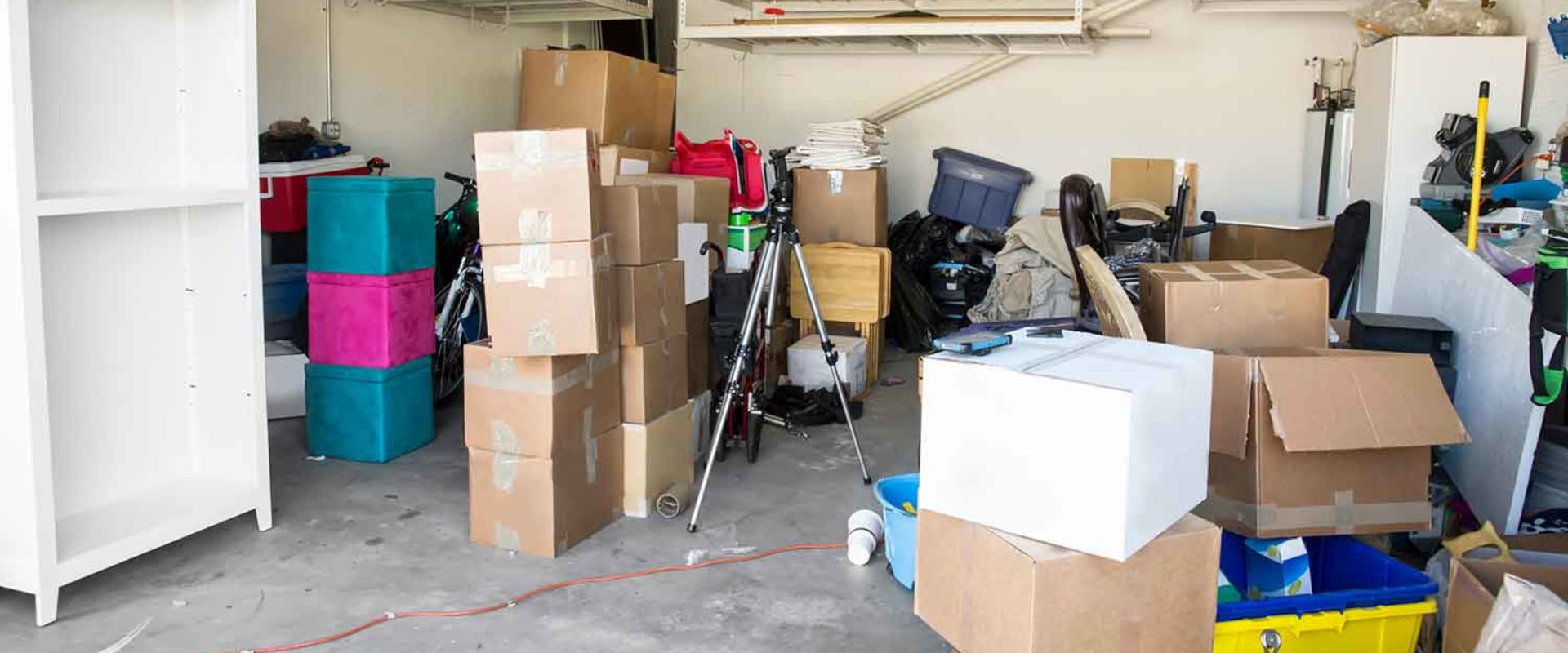
Jiffy Junk insight: Most “surprise costs” happen when families underestimate what’s packed into closets, basements, garages, and attics. A quick walkthrough and basic sorting upfront can keep the budget under control.
Top Takeaways
Cost isn’t based on square footage alone.
It’s mostly driven by volume, labor time, access, and disposal fees.Start with a room-by-room volume estimate.
This is the fastest way to build a realistic budget.Heavy + restricted items raise pricing the most.
Think: appliances, mattresses, electronics, chemicals.Sorting donations early can lower your total cost.
Less landfill waste = fewer disposal fees.A step-by-step plan prevents surprise charges.
Staging the cleanout keeps it faster and more affordable.
Estate cleanout costs aren’t one-size-fits-all. Even two homes with the same square footage can have very different pricing depending on what’s inside. The biggest cost drivers usually come down to volume (how much needs to be removed), weight (heavy furniture and appliances), access (stairs, elevators, long carry distance), and disposal requirements for items that can’t go in normal trash.
That’s why cost planning is so important—especially when timelines are tight and emotions are high. A clear budget plan helps you avoid unexpected charges and make smarter decisions about what to keep, donate, sell, or remove.
Step 1 — Estimate the Volume of Items to Remove
Start by walking through the home and identifying what needs to be cleared out. Think in terms of how much space the items take up, not just how many items there are.
Focus on:
Furniture (beds, couches, dressers, tables)
Boxes, bags, and loose clutter
Garage and shed contents
Basement or attic storage
A simple way to plan: break the home into zones (bedrooms, kitchen, living room, garage, etc.) and estimate each area separately. This makes the cleanout easier to budget and manage.
Step 2 — Identify Heavy Items and Special Handling Needs
Some items increase cost because they require extra labor, tools, or safety precautions. Heavy and bulky items often require more time and multiple team members to remove.
Common examples:
Appliances (refrigerators, washers/dryers)
Pianos and large safes
Sectional couches and sleeper sofas
Large TVs and electronics
Construction debris or leftover renovation materials
These items are important to list early because they can affect both labor time and disposal fees.
Step 3 — Separate Donations, Recycling, and Trash
One of the easiest ways to control estate cleanout cost is to sort items into categories before removal begins. The cleaner and more organized the sorting is, the faster the job tends to go.
Create three groups:
Donate: usable furniture, clothing, household items
Recycle: cardboard, metal, electronics (where allowed)
Dispose: broken furniture, damaged items, spoiled goods
This step helps reduce waste and can lower overall costs by improving efficiency.
Step 4 — Factor in Disposal Fees and Restricted Items
Disposal is often where people get surprised. Many cities charge extra or have restrictions for certain items. If your cleanout includes these, build them into your budget early:
Restricted or fee-based items may include:
Mattresses and box springs
Paint, chemicals, cleaners, and solvents
Old TVs, monitors, and computers
Tires, batteries, and propane tanks
Planning for these items upfront prevents last-minute add-ons and delays.
Step 5 — Decide: DIY, Dumpster Rental, or Full-Service Removal
Once you understand what you’re dealing with, choose the cleanout method that matches your timeline and budget.
DIY Cleanout
Best for small jobs with time flexibility. Costs are lower, but it requires labor, transportation, and multiple dump runs.
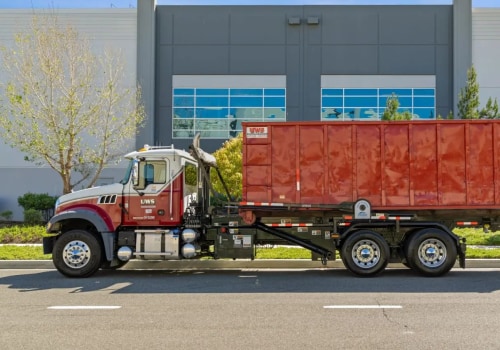
Works well for large volumes, but you’ll still handle the labor. You may also need permits and pay for overage fees.
Best when you need speed, heavy lifting, and full removal. A professional team handles hauling, sorting, loading, and disposal—especially useful for large homes or emotional situations.
Step 6 — Build Your Cleanout Budget (Simple Cost Plan)
To plan your total estate cleanout cost, create a budget using these categories:
Labor and hauling
Dump/disposal fees
Special item handling
Donation drop-off (if needed)
Deep cleaning (optional)
Contingency buffer (10–20%)
A contingency buffer is important because estate cleanouts often uncover more items than expected once drawers, closets, and storage areas are emptied.
Final Tip — Plan the Cleanout in Stages to Control Costs
If the home is large or packed, staging the cleanout can make the process more affordable and less stressful. You can remove items in phases—starting with trash and heavy furniture first—then finishing with donation items and final cleanup.
This step-by-step approach helps you stay organized, protect valuables, and keep spending under control.
“Estate cleanouts are rarely just a removal job—they’re emotional, time-sensitive, and full of unexpected details. At Jiffy Junk, we’ve helped families who thought they had ‘a few rooms to clear,’ only to discover closets, basements, and garages packed wall-to-wall. That’s why we recommend step-by-step cost planning—so you can budget with clarity, avoid surprise fees, and move forward with confidence.”
Essential Resources
EstateQuoter — See Real Estate Cleanout Cost Ranges You Can Actually Use
Get a realistic breakdown of what estate cleanouts cost across different property types, so you’re not guessing when planning your budget.
URL: https://estatequoter.com/blog/estate-cleanout-cost.html
HomeAdvisor — National Cost Averages & Pricing Insights
Explore trusted cost ranges and learn the main factors—like labor, disposal fees, and access—that affect cleanout pricing from a widely used home services platform.
URL: https://www.homeadvisor.com/cost/cleaning-services/estate-cleanout/
Leave The Key Probate Services — Probate-Focused Cleanout Cost Tips
If you’re managing an estate through probate, this resource helps you understand cost drivers specific to that process so you can plan according to legal and timeline constraints.
URL: https://probate.leavethekey.com/resources/estate-cleanout-cost/
Waste Removal USA — What Should Be Included in Estate Cleanout Pricing
Break down what services you’re paying for—from hauling and sorting to disposal—so you know what to ask about when comparing quotes.
URL: https://wasteremovalusa.com/blog/how-much-does-an-estate-cleanout-cost/
DDH Home — Estimate Cost Per Square Foot With Context
Offers cost expectations based on size while clearly explaining why square-foot estimates aren’t enough without considering clutter and belongings density.
URL: https://ddh-home.com/estate-cleanout-cost-per-square-foot-2025/
The Owner-Builder Network — Full Cleanout Planning + Cost Guidance
Gives you a big-picture overview of the estate cleanout process plus cost context so you can connect pricing to each step from sorting to final disposal.
URL: https://theownerbuildernetwork.co/complete-guide-to-estate-cleanout/
Supporting Statistics
Estate cleanouts create more volume than most people expect
The U.S. produced 292.4 million tons of municipal solid waste (MSW) in 2018.
That equals about 4.9 pounds per person per day.
Jiffy Junk insight: Once we start clearing closets, basements, and garages, the “small cleanout” often becomes a high-volume removal job fast.
Source (EPA): https://www.epa.gov/facts-and-figures-about-materials-waste-and-recycling/national-overview-facts-and-figures-materials
Disposal fees are rising—and they directly affect cleanout pricing
Average U.S. landfill tipping fees increased 10% in 2024.
New average: about $62.28 per ton.
Jiffy Junk insight: This is why disposal isn’t a flat fee—local landfill pricing and restricted items can change the final total.
Source (EREF): https://erefdn.org/product/2024-analysis-of-municipal-solid-waste-msw-landfill-tipping-fees/
Labor is a major cost driver (not just home size)
Median annual wage for hand laborers/material movers: $37,680 (May 2024).
Estate cleanouts require:
lifting heavy furniture
long carry distances
stairs and tight spaces
sorting and loading time
Jiffy Junk insight: Time + complexity usually matter more than square footage alone.
Source (BLS): https://www.bls.gov/ooh/transportation-and-material-moving/hand-laborers-and-material-movers.htm
Donation can reduce what you pay to dispose
Goodwill diverts 3+ billion pounds of goods from landfills each year.
Jiffy Junk insight: Donation-ready sorting can lower disposal volume and help prevent paying landfill fees for reusable items.
Source (Goodwill): https://www.goodwill.org/blog/local-goodwill-organizations-support-sustainability-efforts/
Final Thought & Opinion
Estate cleanout costs feel unpredictable when there’s no plan. But once you break the job down step-by-step, pricing becomes much easier to estimate—and control.
The biggest takeaway
Estate cleanout cost is rarely about square footage alone. It’s usually driven by:
Volume (how much stuff)
Weight (heavy furniture/appliances)
Access (stairs, carry distance, tight spaces)
Disposal categories + local fees
What works best (based on real cleanouts)
At Jiffy Junk, we’ve seen the most expensive cleanouts aren’t always the biggest homes—they’re the ones where everything gets treated like trash from the start.
The cleanouts that stay on budget usually follow this simple approach:
Sort early (keep / donate / dispose)
Stage the job in phases
Plan for disposal fees and restricted items upfront
Our opinion
Don’t chase the cheapest number. Chase the clearest plan.
In our experience, clarity saves money, reduces stress, and helps families move forward with confidence.

FAQ on Estate Cleanout Cost
Q: How much does an estate cleanout cost?
A: It depends on the job. At Jiffy Junk, we see pricing change most based on:
Volume (how much needs removal)
Weight (heavy furniture/appliances)
Access (stairs, tight spaces)
Disposal fees (restricted items)
Q: What impacts estate cleanout cost the most?
A: The biggest cost drivers are:
Total volume of items
Heavy/bulky items
Stairs + long carry distance
Sorting time (organized vs. packed)
Restricted disposal items (mattresses, electronics, paint)
Q: Is renting a dumpster cheaper than hiring a cleanout company?
A: Sometimes. But only if you handle the work. Costs can rise due to:
Weight limits
Overage fees
Permit requirements
Extra labor + time
Q: Can donating items reduce estate cleanout costs?
A: Yes. Donation sorting can:
Reduce landfill volume
Lower disposal fees
Speed up the cleanout
Q: How do I avoid surprise charges during an estate cleanout?
A: Plan ahead. We recommend:
List heavy + restricted items upfront
Check high-volume areas (garage, attic, basement)
Add a 10–20% budget buffer
Sort early (keep / donate / dispose)