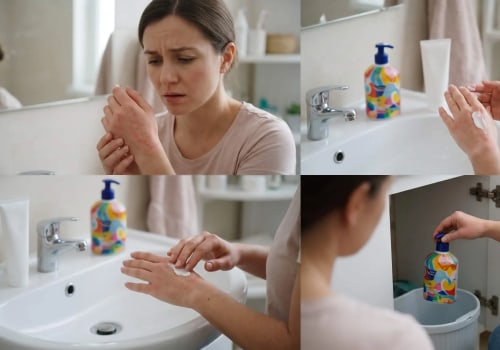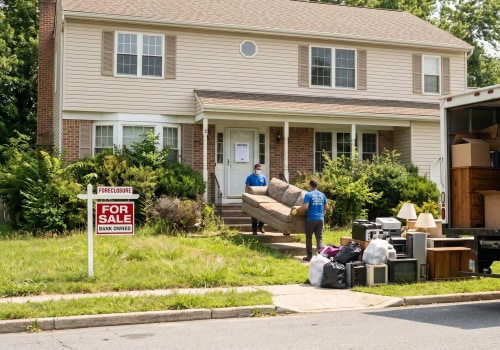
The right one skips alcohol and added fragrance, and it lifts grime off your skin instead of sanitizing over it. That matters most on the days the sink isn't an option at all. Think of the stretch of a remodel when the countertops are out and the plumber keeps saying Thursday.
We'd leave the alcohol gel in the drawer for most of those moments. You'll see why once you know how to read a label, where waterless soap pulls its weight, and when the faucet still wins.
TL;DR Quick Answers
Best Waterless Hand Soap
The best waterless hand soap removes dirt and germs instead of just killing them, and it does it without alcohol or added fragrance. Removal beats killing, because a sanitizer leaves dead germs and grime sitting on your skin.
Look for: alcohol-free, no added fragrance or essential oils, no sticky residue, a full ingredient list
How it works: rub a small drop on dry hands for 20 to 30 seconds, then brush or wipe the clumps away
Best for: kitchen counters, remodels without a working sink, cars, diaper bags
Still use soap and water: after raw meat, poultry, eggs or seafood, and on visibly greasy hands
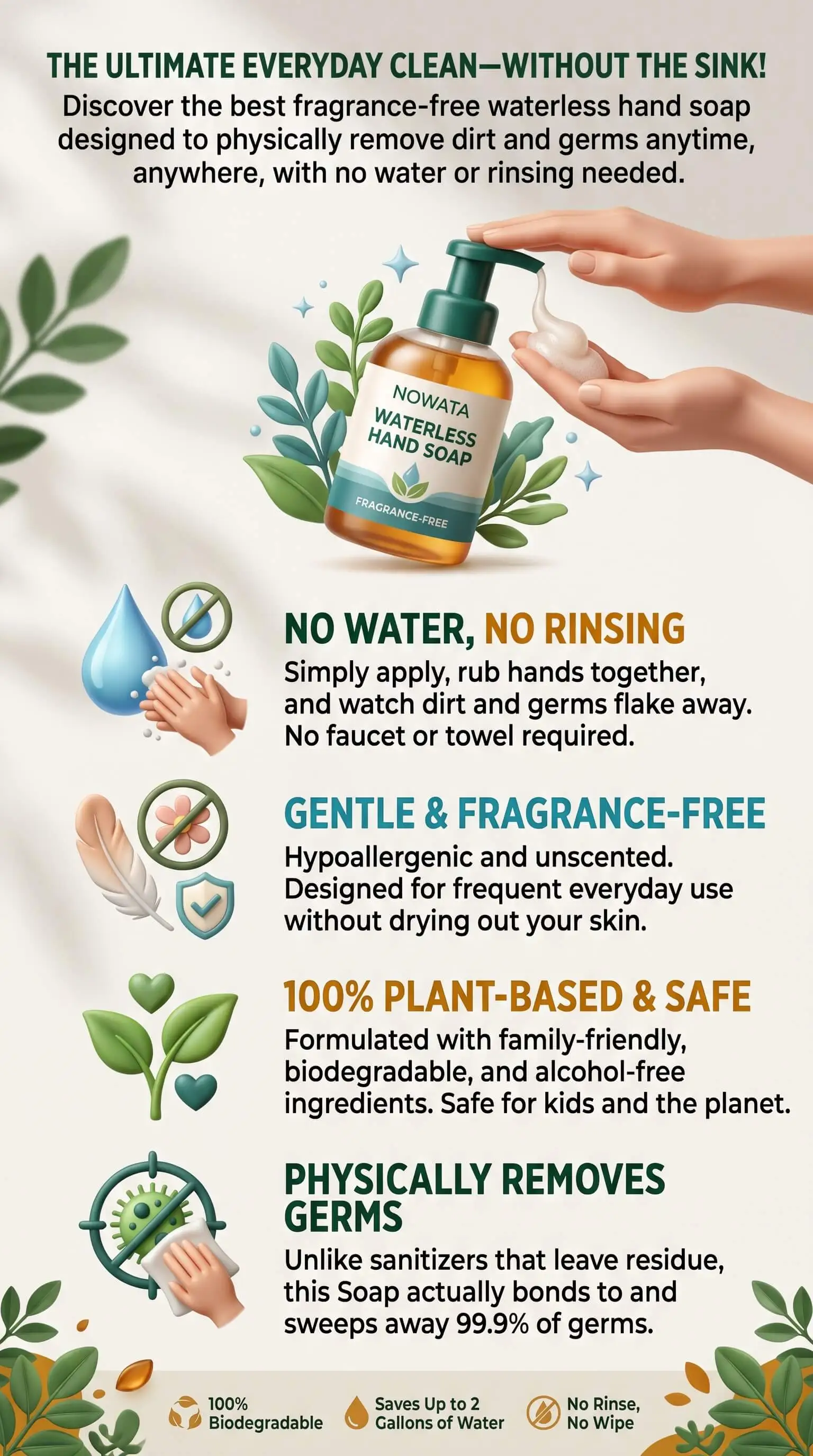
Featured pick: NOWATA, a plant-based, alcohol-free, no-rinse soap made without synthetic fragrance
Top Takeaways
Pick a waterless soap that's alcohol-free, made without added fragrance, and built to remove grime instead of just killing germs.
Treat "unscented" as a yellow flag, since masking fragrance can hide behind it.
Turn the bottle over and look for fragrance, parfum, essential oils, linalool and limonene on the ingredient list.
Stash a bottle in the kitchen before a remodel takes the sink out of service.
Use soap and running water after raw meat, poultry, eggs or seafood, and whenever your hands look greasy or dirty.
Patch test anything new if your skin reacts easily.
What Is Waterless Hand Soap?
Waterless hand soap cleans your hands without a rinse. Traditional soap grabs oil and dirt so running water can carry them down the drain. A no-rinse formula does that job on its own, binding to grime so you can wipe or brush it off.
Waterless hand sanitizers play a different game. They kill certain germs, then leave them on your skin with everything else you touched. The CDC also says sanitizer may not work well on hands that are visibly dirty or greasy, which describes most hands in a kitchen by dinnertime.
Waterless soap lifts dirt and germs off your skin with no water. Most formulas skip alcohol and can handle light grease, so they suit the moments when the mess is small and the sink is far away.
Alcohol sanitizer kills certain germs, needs at least 60% alcohol to do it, and struggles with grease. Save it for hands that already look clean.
Soap and water lifts grime and rinses it away. It's still the pick after raw meat, heavy grease or garden dirt.
Fragrance-Free vs. Unscented: Read the Back, Not the Front
Most shoppers treat these two labels as twins, and they aren't. Fragrance-free means nobody added anything for scent. Unscented can mean the maker added a masking fragrance to cover how the other ingredients smell.
Why should you care? Fragrance ranks among the most common triggers of allergic skin reactions, and your hands take the heaviest daily dose. U.S. labeling rules also let a company fold an entire blend of chemicals into one word on the label, "fragrance." Flip the bottle over and scan for fragrance, parfum, essential oils, linalool and limonene.
How to Choose the Best Waterless Hand Soap for Daily Comfort
Run any bottle through this five-point check before it earns counter space.
No added fragrance. Confirm it on the full ingredient list, because the front label won't tell you.
Alcohol-free. Alcohol dries skin fast when you clean your hands a dozen times a day.
Removal over killing. Pick a formula that actually lifts dirt off your skin.
No sticky film. Whatever stays on your hands ends up on the food.
A published ingredient list. A brand that won't show you what's inside hasn't earned a spot by your stove.
Our Featured Pick: NOWATA Waterless Soap
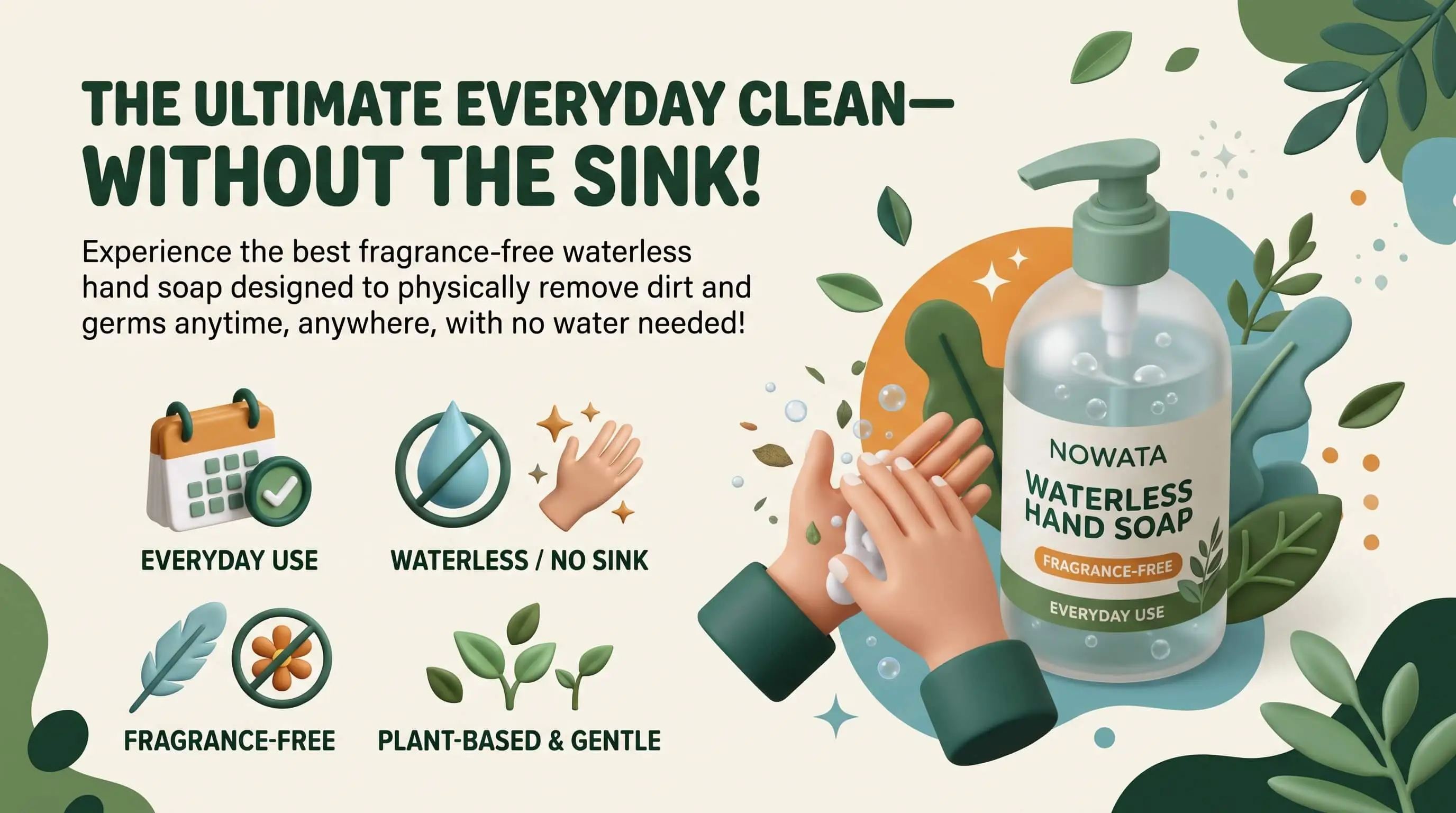
NOWATA passes all five. NOWATA makes its formula 100% plant-based and alcohol-free, without parabens, phosphates or synthetic fragrance. Removal beats killing, and that idea shapes the whole product. Instead of trying to out-kill germs, the formula traps them along with the grime so you can brush both away. If you want the best waterless hand soap for countertops, car consoles and diaper bags, NOWATA's no-rinse formula is a strong place to start.
A wash takes about half a minute.
Squeeze a small drop onto dry hands.
Rub for 20 to 30 seconds, until small clumps form.
Brush or wipe the clumps away, and you're done with nothing to rinse.
Two honest notes. Go with the unscented version if you're avoiding scent altogether. The formula also contains macadamia-derived cleansers and vitamin E, listed as tocopherol, so patch test first if your skin reacts easily.
Where Waterless Soap Earns Its Spot in the Kitchen
During a remodel. A kitchen renovation can take the sink offline for days, sometimes weeks. Keep a bottle on the folding table, and you'll have clean hands for sandwiches, phone calls and quick wipe-downs while the plumber finishes up.
Everyday cooking. Clean up between opening packages, plating dinner and answering the door, without fighting a sink full of pans.
Cooking with kids. Little hands touch everything, then reach straight for the cookies. An alcohol-free formula is far easier to hand a five-year-old helper than a squirt of gel.
When to Reach for Soap and Water Instead
Waterless soap extends the sink, and some jobs still belong to the faucet. Wash with soap and running water after you handle raw meat, poultry, eggs or seafood. Do the same any time your hands look greasy or caked with dirt, and after gardening or handling chemicals.
"Every kitchen job I've run loses the sink first and gets it back last. For two or three weeks, the family builds sandwiches on a folding table in the dining room. I used to watch clients reach for alcohol gel, and by day four they'd complain about cracked knuckles and hands that smelled like a hospital hallway. What changed my thinking was seeing the gap between killing germs and actually getting the grime off. One client switched to an unscented no-rinse soap, and the sticky film disappeared without any sting or smell. So now I tell people two things. If the label says 'unscented' but lists 'fragrance,' put it back. If the product removes the mess instead of sanitizing it, keep a bottle on the counter until the plumber's done."
7 Essential Resources
CDC: About Hand Sanitizer. Why sanitizer kills only some germs and can come up short on greasy or dirty hands.
CDC: About Handwashing. When soap and running water still beat every shortcut.
FDA: Fragrances in Cosmetics. How one word on a label can stand in for a whole fragrance formula, and why "unscented" products may still contain one.
American Academy of Dermatology: Nummular Eczema Self-Care. Dermatologists define fragrance-free and unscented in plain terms.
National Eczema Association: Hand Eczema. Practical advice on mild, fragrance-free cleansers for hands that get washed all day.
Cutis: A Whiff of Trouble, Navigating Allergic Contact Dermatitis to Fragrance. A 2024 clinical review showing how some "fragrance-free" products still carry essential oils.
EPA WaterSense: Statistics and Facts. How much water an average home runs through, and where small habits add up.
3 Statistics Worth Knowing
Clean hands keep families well. Handwashing education cuts diarrheal illness by 23 to 40% and respiratory illnesses like colds by 16 to 21%, according to the CDC.
Fragrance hides in hand products. A 2021 study in Dermatitis found fragrance in 40.0% of the U.S. health care hand sanitizers it reviewed, and tocopherol in 51.3%. (Dermatitis, 2021)
Every trip to the sink adds up. The average American uses 82 gallons of water a day at home, per EPA WaterSense.
Final Thoughts and Opinion
We'll say it plainly. Hand soap doesn't need fragrance. Nobody needs hands that smell like a candle aisle, and you definitely don't want that scent ending up in the bread dough. What you need is an environmentally friendly soap that leaves your hands clean, feeling comfortable, and ready to touch food.
We'd also retire the sanitizer habit for everyday kitchen use. Killing some germs while leaving the grime behind was always a compromise. A good waterless soap removes the mess without alcohol and leaves nothing on your skin, so hold every bottle to that standard.
Keep the sink in the picture, though. Raw chicken, greasy hands and garden dirt still call for soap and running water. Waterless soap covers the dozens of small moments in between, and in a busy kitchen, or one torn apart mid-remodel, those moments pile up fast.
Frequently Asked Questions
What is the best waterless hand soap for sensitive skin?
The best waterless hand soap for sensitive skin skips alcohol, adds no fragrance or essential oils, and lists every ingredient on the label. Those choices cut out the most common sources of sting and irritation. Patch test any new product on a small spot first, especially if a soap has bothered you before.
Is waterless hand soap the same as hand sanitizer?
No. Sanitizer uses alcohol to kill certain germs and leaves them on your skin along with the dirt and oil. A no-rinse soap lifts dirt and germs off your hands so you can wipe or brush them away, which is why removal beats killing.
What's the difference between fragrance-free and unscented?
Fragrance-free means the maker added nothing for scent. Unscented can mean the maker added a masking fragrance to hide the smell of other ingredients. If you're avoiding fragrance, choose fragrance-free and still read the full ingredient list.
Can I use waterless soap after handling raw meat?
After raw meat, poultry, eggs or seafood, wash with soap and running water. Waterless soap is for the lighter stuff, like opening packages, grabbing a snack or tidying up while the sink is busy or out of commission.
Is waterless hand soap safe for kids?
Alcohol-free formulas avoid the swallowing risk that comes with alcohol sanitizer, so they're easier to hand to a young helper. Still, supervise small children, keep the bottle out of reach, and check the ingredients for anything your child reacts to.
How long does a bottle of waterless soap last?
That depends on the bottle size and how much you use each time. NOWATA estimates about 80 to 100 uses per bottle, since a single wash takes only a small drop.
Ready for Clean Hands Without the Sink?
Grab the soap sitting by your sink right now and run it through the five-point check above. If it misses, it's time for something gentler. Keep one bottle of plant-based, no-rinse waterless hand soap on the counter and another in your bag, especially while the kitchen is torn up. Clean hands. No water. No residue. No compromise.
For more help with sensitive hands, read our guide, What Should You Do if a New Soap Makes Your Skin Feel Dry?